AI機構 × AI 演算力|飛行、演算與未來運動設計
Mechanism × AI Computation Power| Flight, Algorithms, and the Future of Motion Design
從達文西對飛行與動力的前衛想像出發,本區聚焦AI與物理動態的結合。作品可探討空拍機群體演算、動力結構的參數控制,或運用機器手臂、材料工程展開未來製造場景,回應桃園航空城的發展脈絡。
//AI動態控制、飛行器、永續材料、機器手臂演算創作
This exhibition zone begins with Leonardo da Vinci’s visionary concepts of flying machines, kinetic devices, and material structures, and reinterprets them through the lens of contemporary AI technologies and autonomous flight control. Featuring drone formations, parametric kinetic structures, and dynamic algorithm-driven installations, the exhibition showcases how AI is emerging as a powerful force in both creation and control.
The zone will also present experimental works on future sustainable materials, continuing da Vinci’s spirit of material innovation. In addition, AI-driven robotic arms will be featured in live creation scenes, demonstrating AI’s multidimensional creative capabilities—from algorithmic control and aerial choreography to physical execution.
Reflecting the core of Taoyuan’s Aerotropolis development, this exhibition merges AI algorithms with dynamic installation art to create a futuristic motion theater where technology meets design.
Aligned with 2025 Design Trend: The Evolving Role of AI
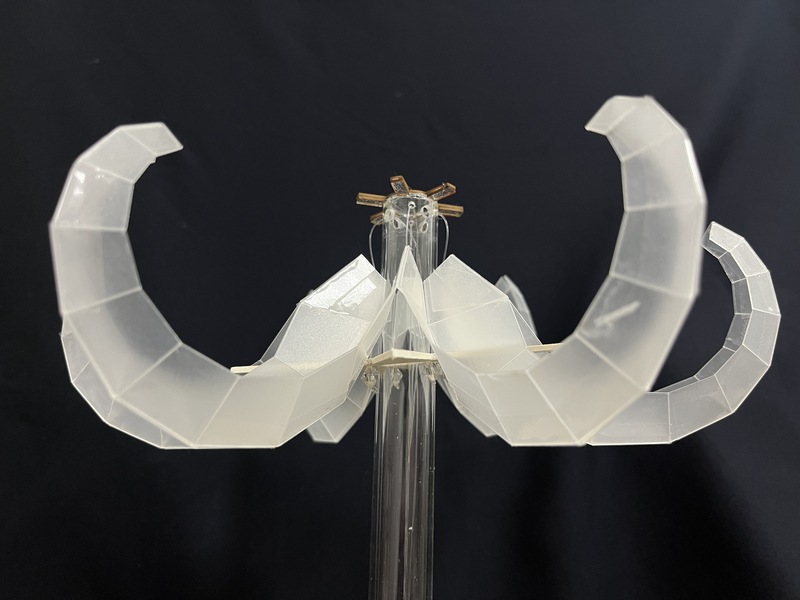
元智大學 藝術與設計學系
爪抓
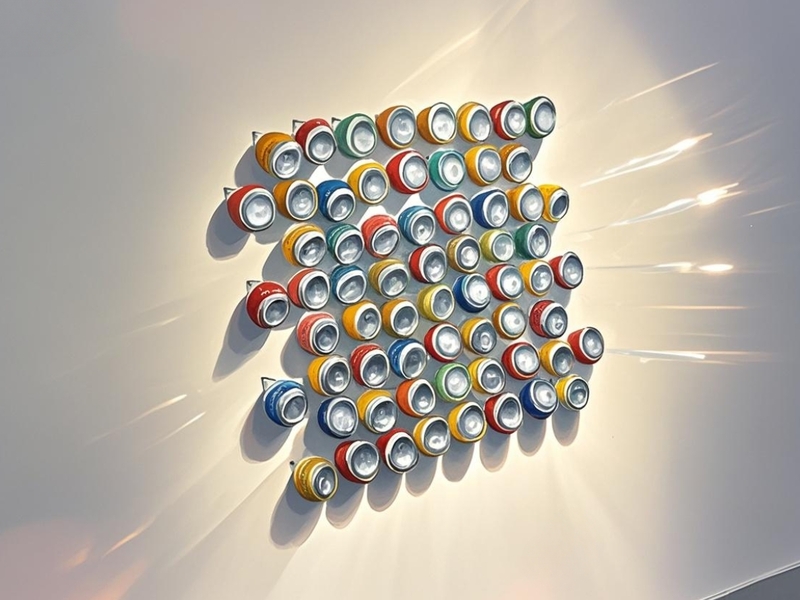
元智大學 藝術與設計學系
《參・光》
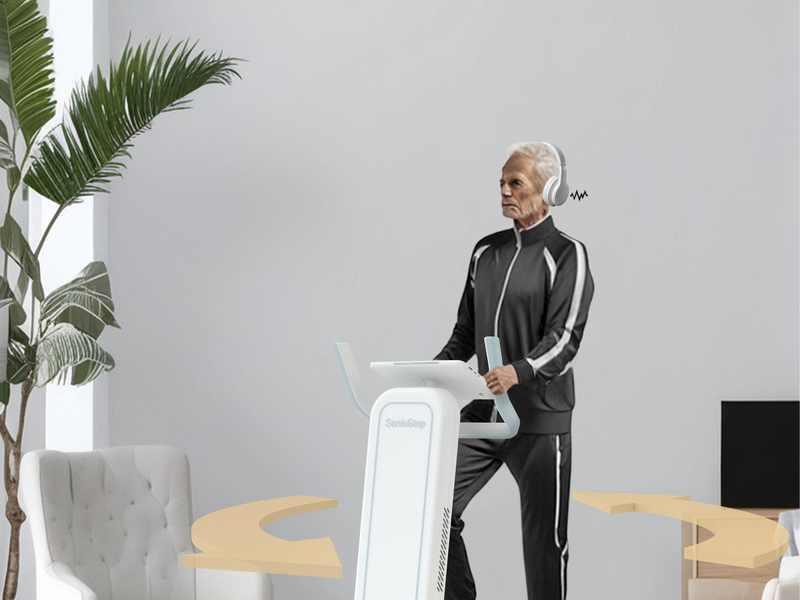
銘傳大學 商品設計系
SonicStep循聲踏行
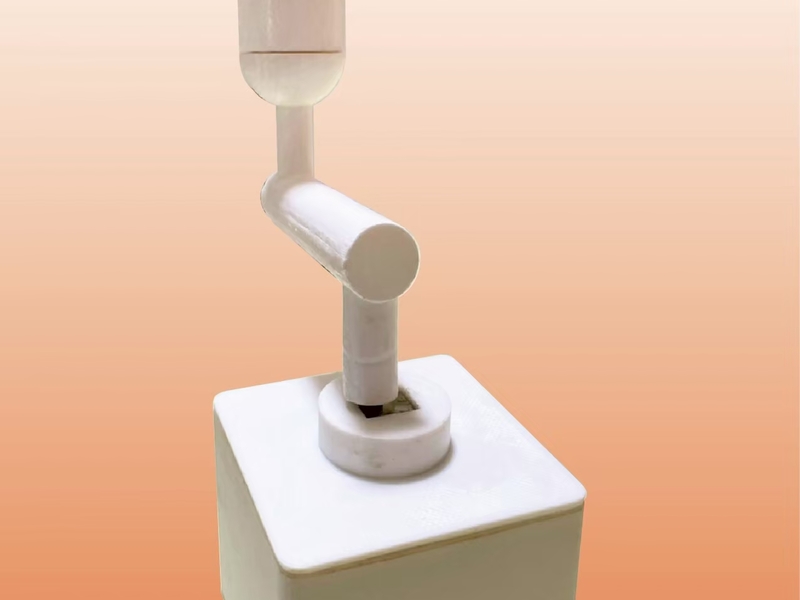

平鎮高中 雙語實驗班
AI 智能紙飛機實驗室
_示意圖1-1-edited.jpg)
觀音高級中等學校 多媒體動畫科
The First Wing Across Time(穿越時空的第一翼)

觀音高級中等學校 多媒體動畫科
賽博飛行

觀音高級中等學校 多媒體動畫科
科技的跨越
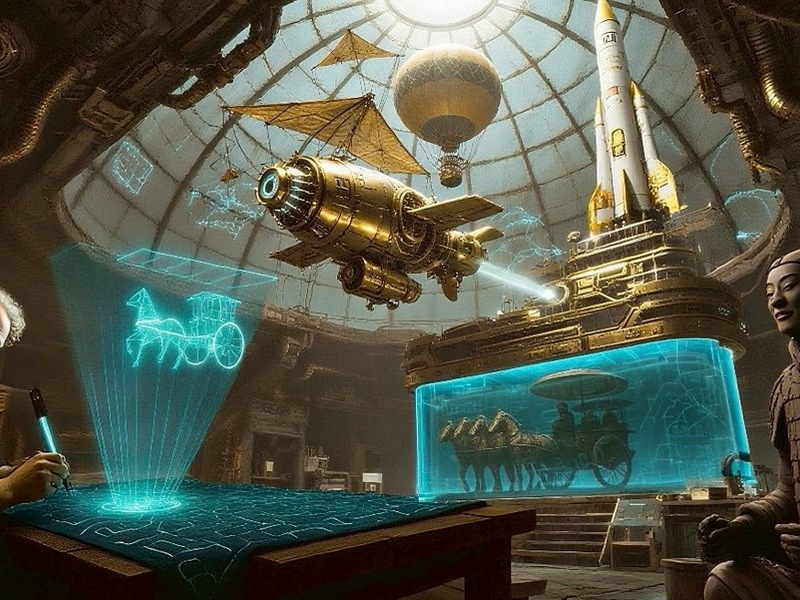
龍華科技⼤學 ⽂化創意與數位媒體設計系
時空之翼
語言 × AI 設計力|從密碼筆記到生成文本時代
Language × AI Design Power| From Coded Notebooks to the Era of Generative Text
以達文西的鏡像文字與筆記為靈感,本區鼓勵以語言作為設計介面。參展者可嘗試將Prompt輸入、語音命令與生成圖像結合,創作以語言驅動AI生成的視覺、聲音或空間作品,亦可回應智慧城市中AI語言技術的公共應用。
//Prompt語言、生成圖像、鏡像文字、自然語言互動
Inspired by Leonardo da Vinci’s symbolic mirrored writing and structural language in his notebooks, this zone transforms language into an interface for AI-driven design. Visitors are invited to explore how the visual codes in da Vinci’s writings can be translated into contemporary generative images and interactive logic.
Through prompt input, voice interaction, and generative visuals, the exhibition allows participants to experience how designers can harness language to drive AI in creating visual and spatial content.
In alignment with Taoyuan’s smart city initiatives, the exhibition also demonstrates how AI—through natural language processing—can enhance citizen engagement and make design more accessible to all.
Aligned with 2025 Design Trends: Text Literacy for Designers, Lowered Barriers to Design, and Voice-Driven Creation
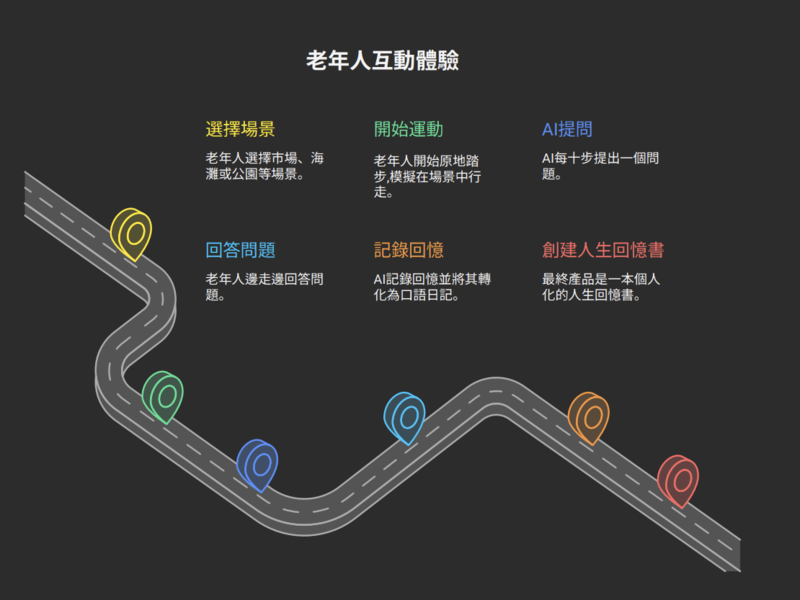
元智大學 藝術與設計學系
憶起散步
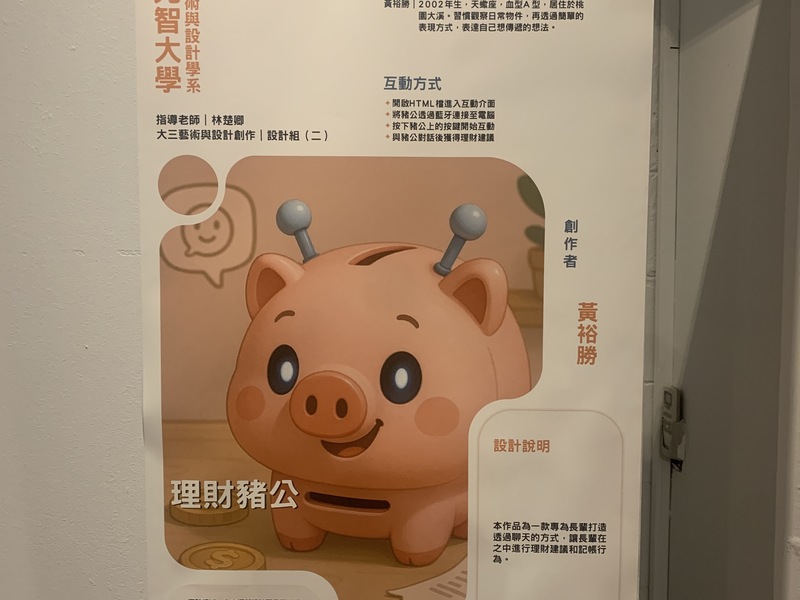
元智大學 藝術與設計學系
理財豬公
元智大學 藝術與設計學系
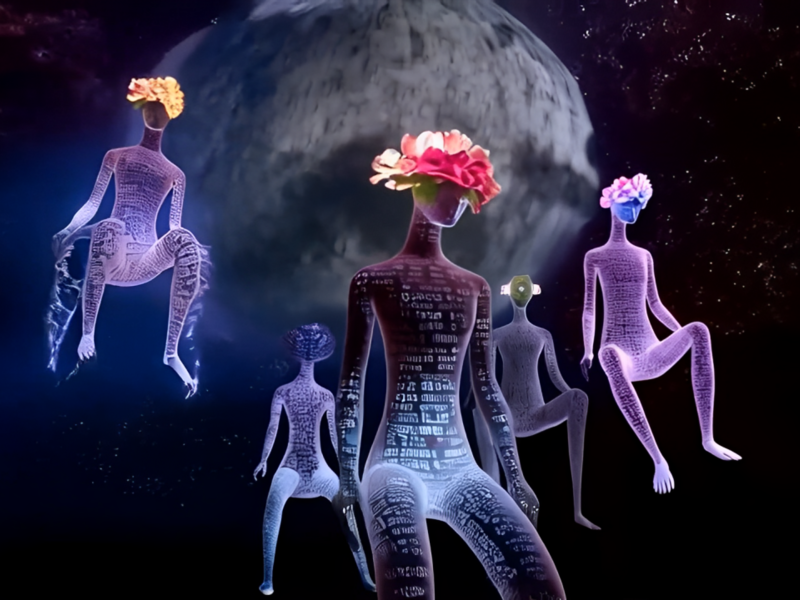
聲息流形Sonic Morphologies
元智大學 藝術與設計學系
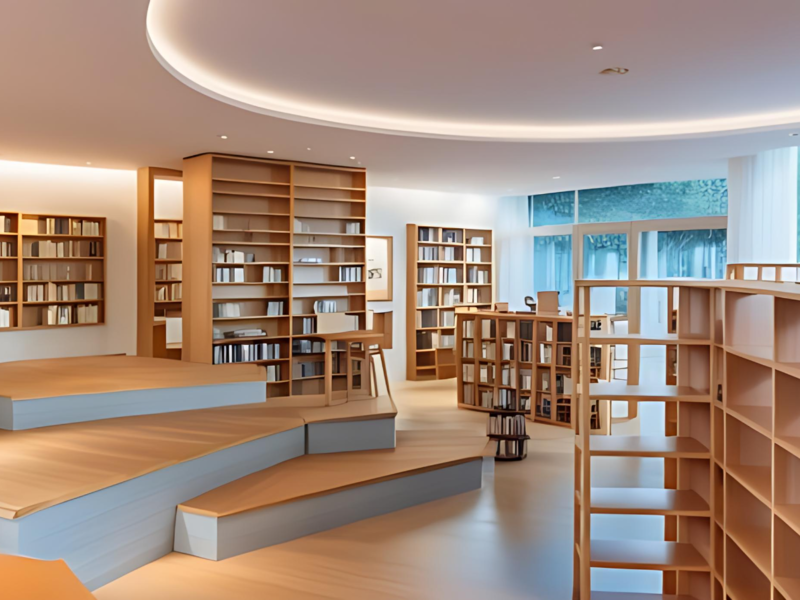
書丘 Book Hil

元智大學 藝術與設計學系
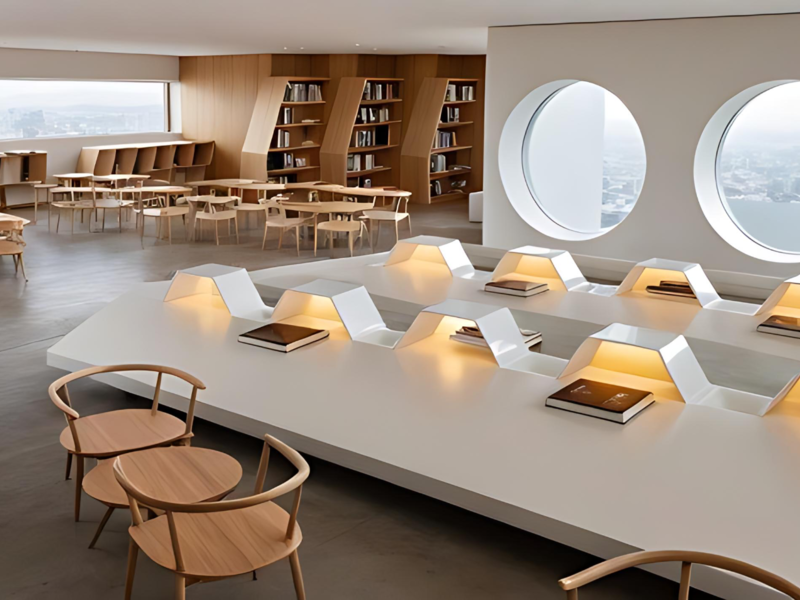
流繞之書 I-BOOK SPACE
元智大學 藝術與設計學系
日光潛艇
元智大學 藝術與設計學系
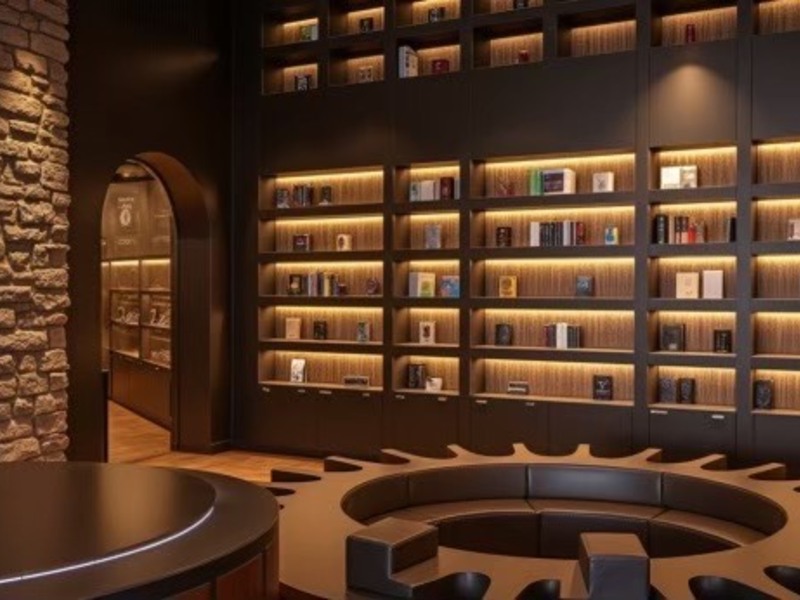
弧· 界
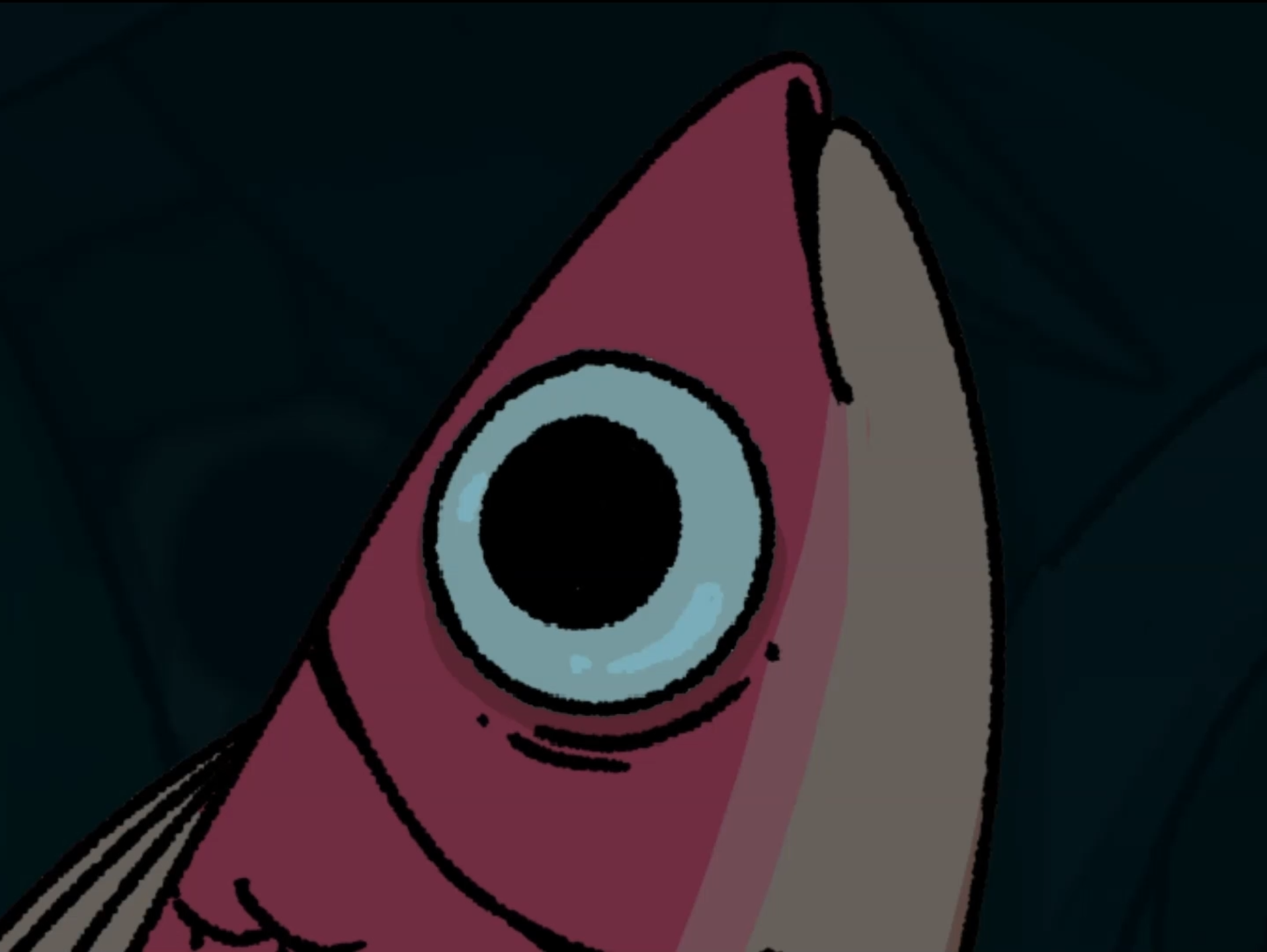
元智大學 資訊與傳播學系設計組
魚罐頭

元智大學 資訊與傳播學系
載符載沉

健行科技大學 數位多媒體設計系
鏡語共創語言之橋:AI 與人類的雙向書寫
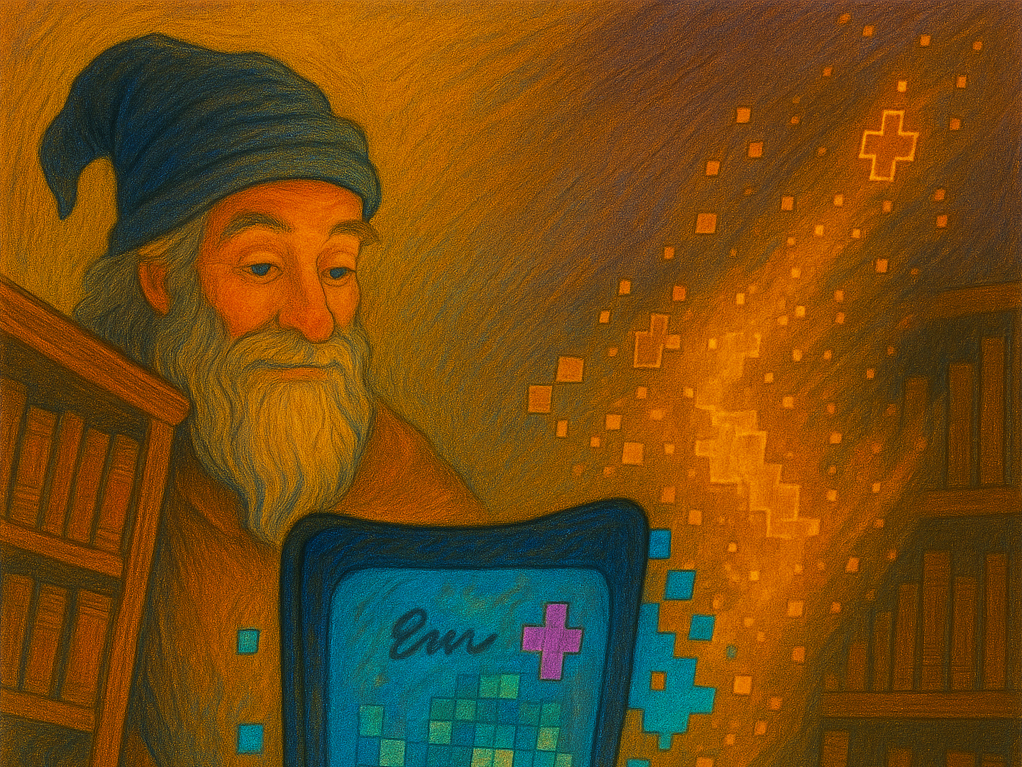
觀音高級中等學校 多媒體動畫科
過去與未來
共感 × 設計修復力|水文情境與情緒互動建構
Empathy × Restorative Design Power| Hydrological Scenarios and Emotional Interaction
從達文西對人類表情與神經的觀察,轉化為AI時代的情緒設計。本區期待作品以生理感測、表情辨識、聲音輸入等技術,觸發互動水影、光線與聲景,創造具療癒力與共感體驗的場域,關注健康與心理永續。
//臉部辨識、聲音分析、水文互動、沉浸式場域設計
This exhibition zone draws inspiration from Leonardo da Vinci’s detailed observations of human emotion, facial expression, and neurology, reimagining how design can integrate with perception to enable emotional sensing and restorative spatial experiences in the AI era.
Referencing the hydrological imagery of Taoyuan’s local ponds, the zone incorporates facial recognition, voice analysis, and emotional input to activate immersive interactions with water ripples, light, and sound. This creates a multisensory environment where design and technology converge to evoke empathy and emotional resonance, envisioning a future of healthy cities and psychological inclusivity.
Inspired by The Mona Lisa’s Smile, the exhibit also invites deeper reflection on emotional connections between humans and machines.
Aligned with 2025 Design Trends: Inclusive Design, Health as the New Luxury, and Immersive Experience
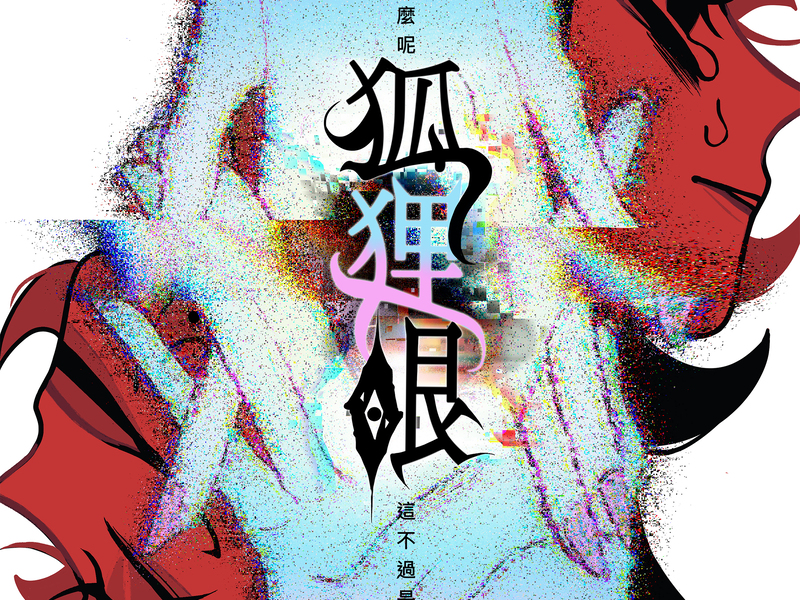
健行科技大學 數位多媒體設計系
狐狸眼
健行科技大學 數位多媒體設計系
心湖修復者
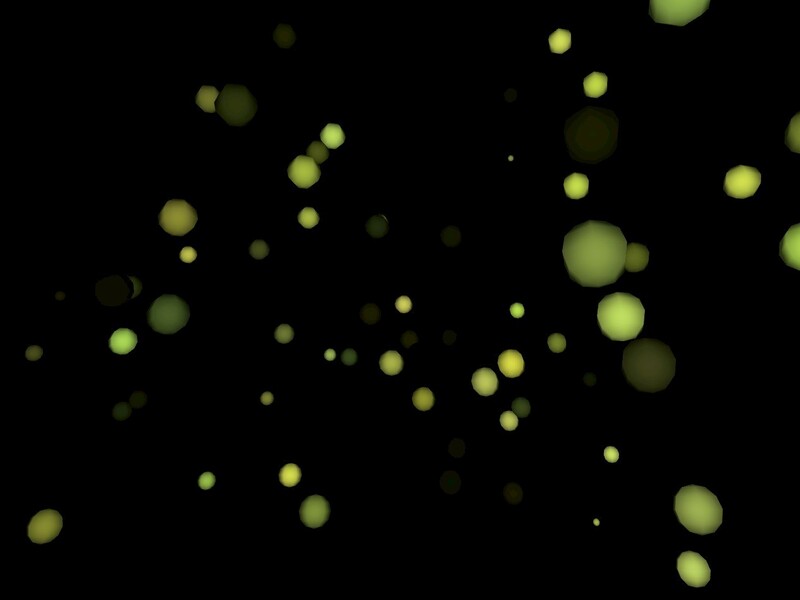
元智大學 藝術與設計學系
Lightkeeper
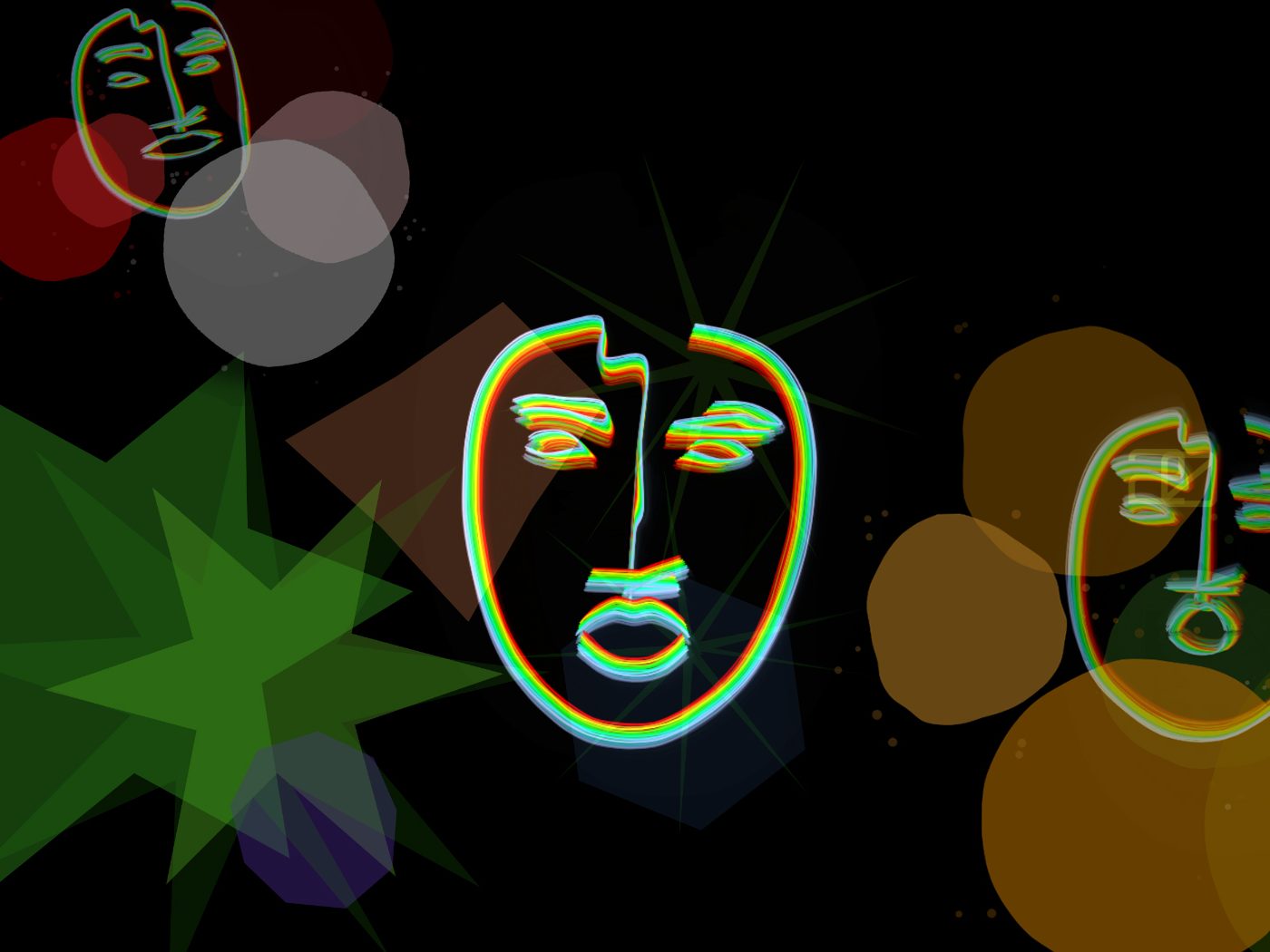
元智大學 藝術與設計學系
靜觀之中In the Stillness, Perceived
元智大學 資訊傳播學系
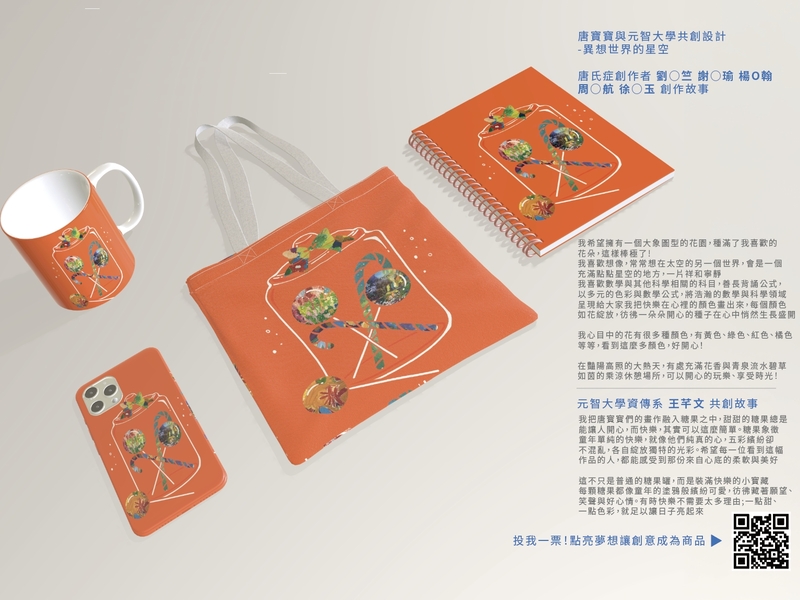
糖果許願罐
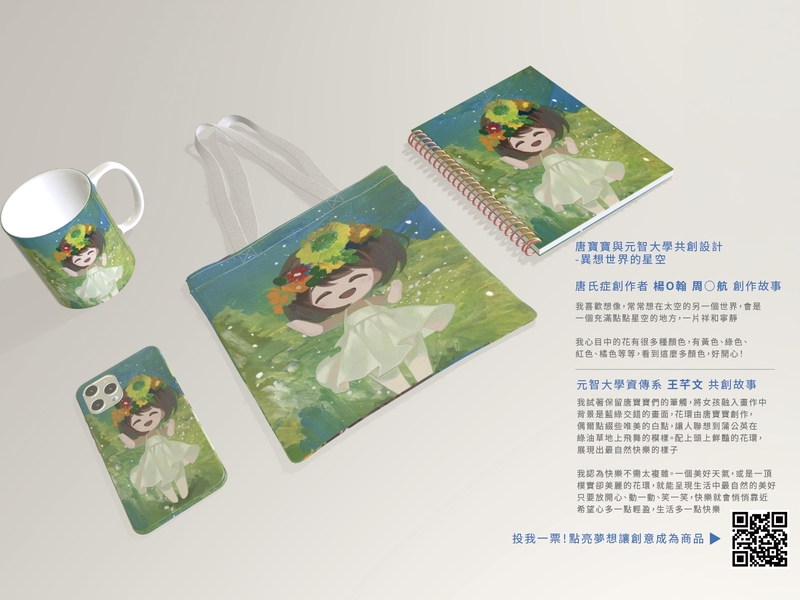
元智大學 資訊傳播學系
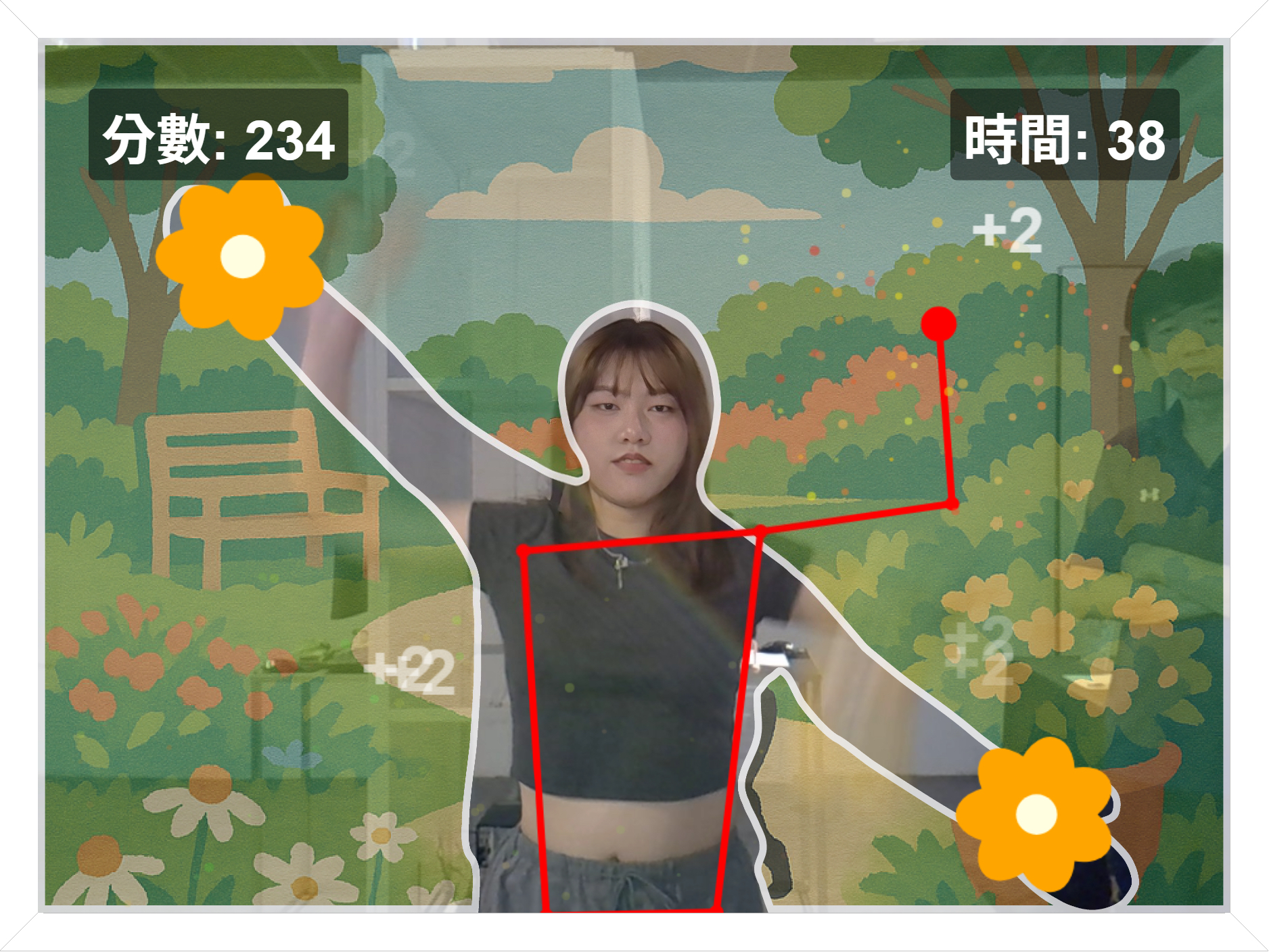
跳舞花精靈
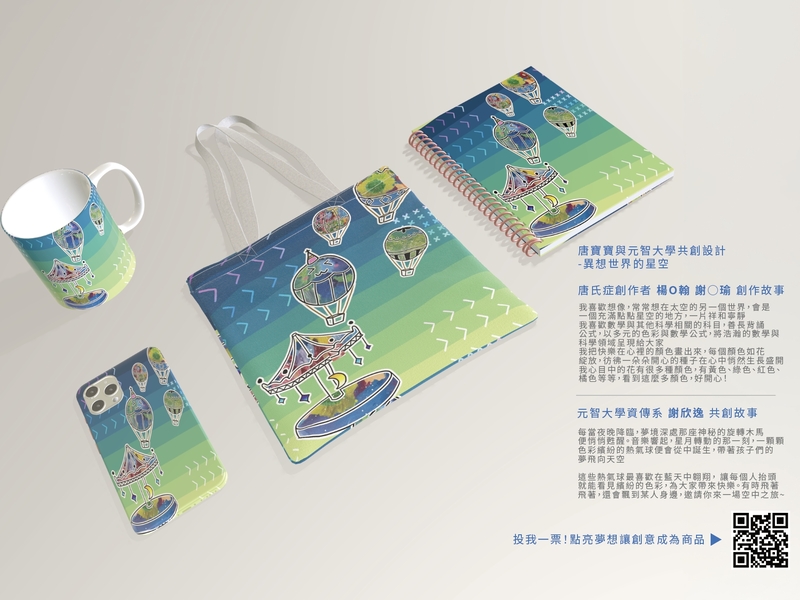
元智大學 資訊傳播學系
夢開始飛的地方
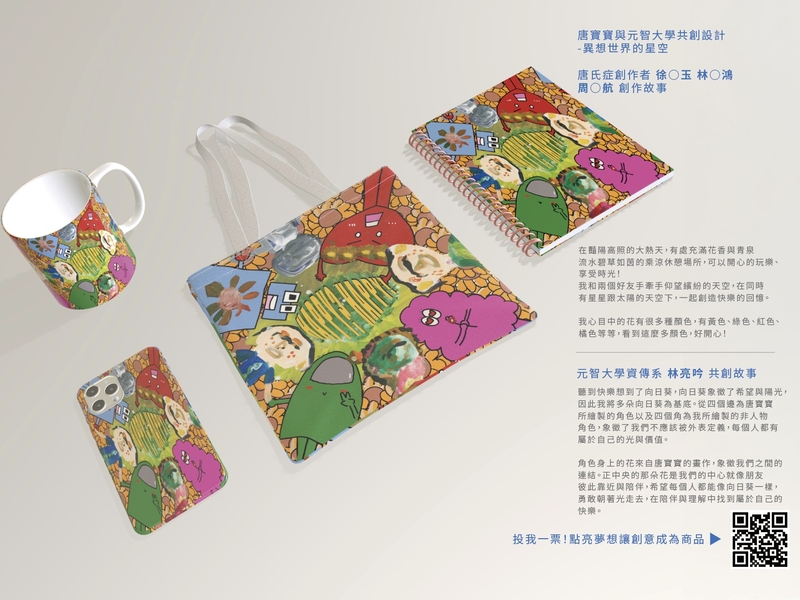
元智大學 資訊傳播學系
花開不分你我
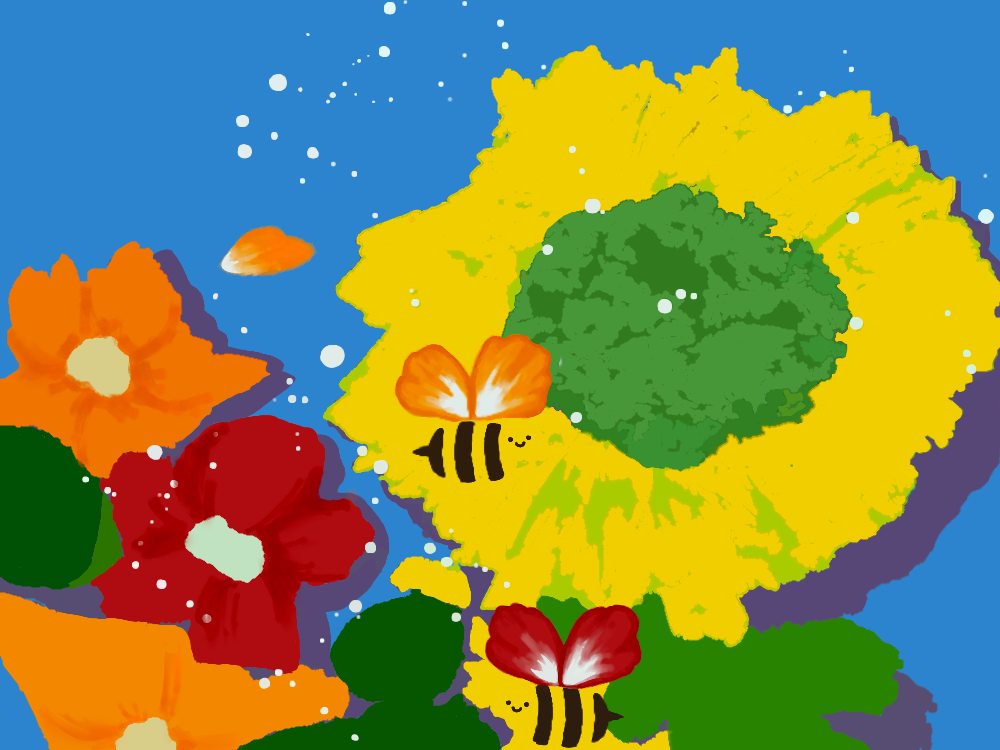
元智大學 資訊傳播學系
Shared Bloom*多彩豐富的花
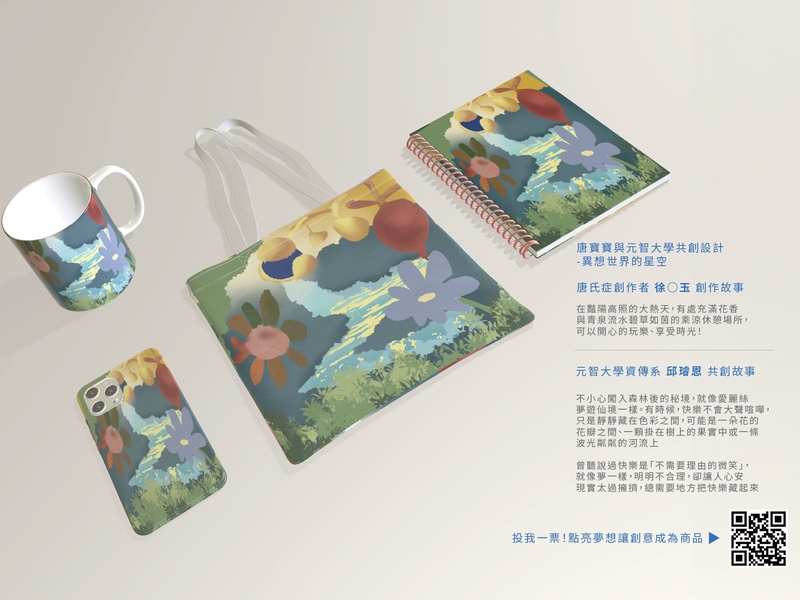
元智大學 資訊傳播學系
夢遊仙境
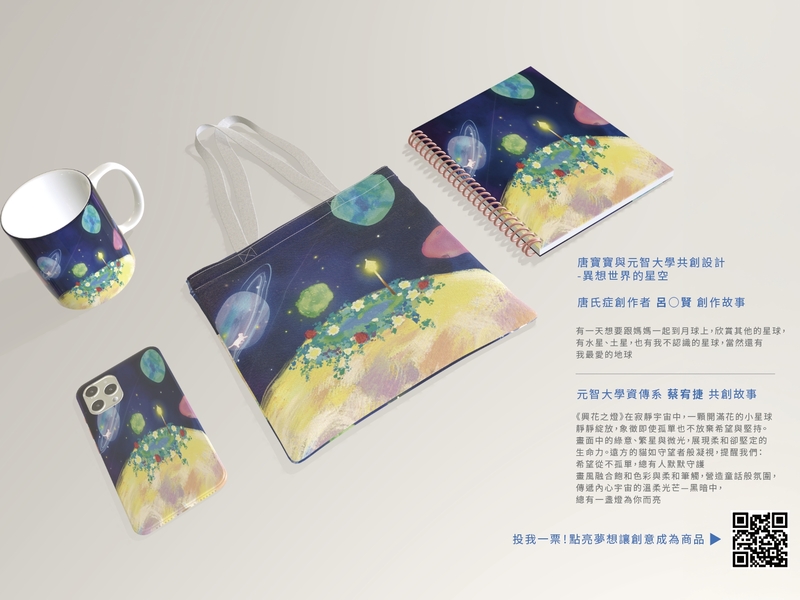
元智大學 資訊傳播學系
興花之燈
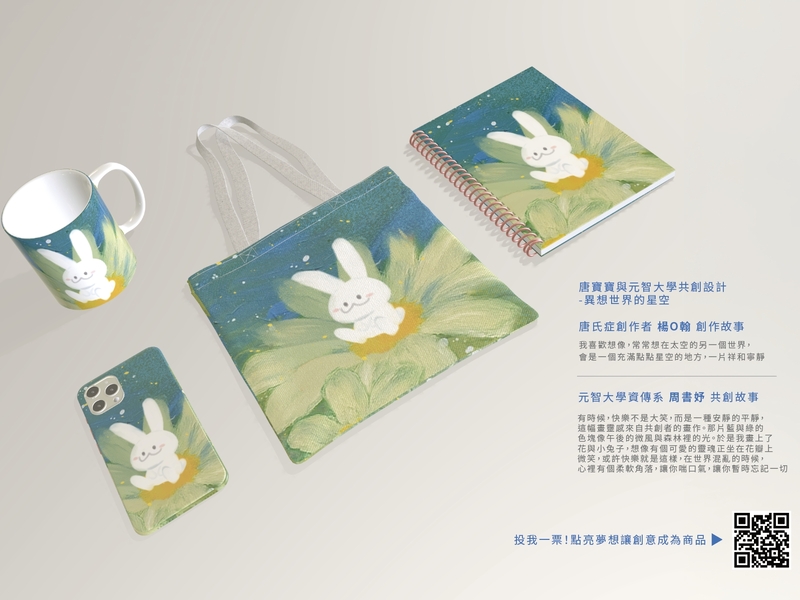
元智大學 資訊傳播學系
安靜的快樂也是快樂

元智大學 資訊傳播學系
塗鴉的節奏

元智大學 資訊傳播學系
快樂樹症候群Happy Tree Syndrome
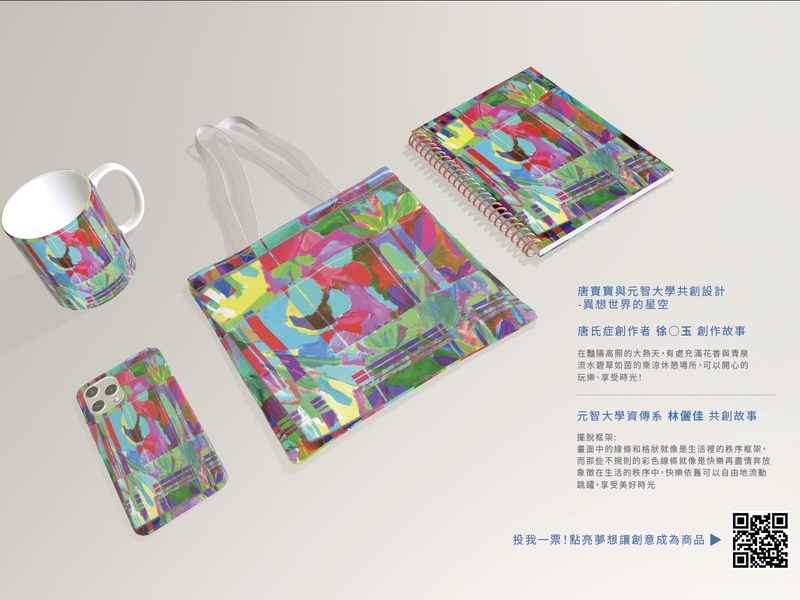
元智大學 資訊傳播學系
擺脫框架

元智大學 資訊傳播學系
被讚美的你

元智大學 資訊傳播學系
自由

元智大學 資訊傳播學系
這裡的花都會笑

元智大學 資訊傳播學系
笑著踏水的我們

元智大學 資訊傳播學系
快樂不必完美
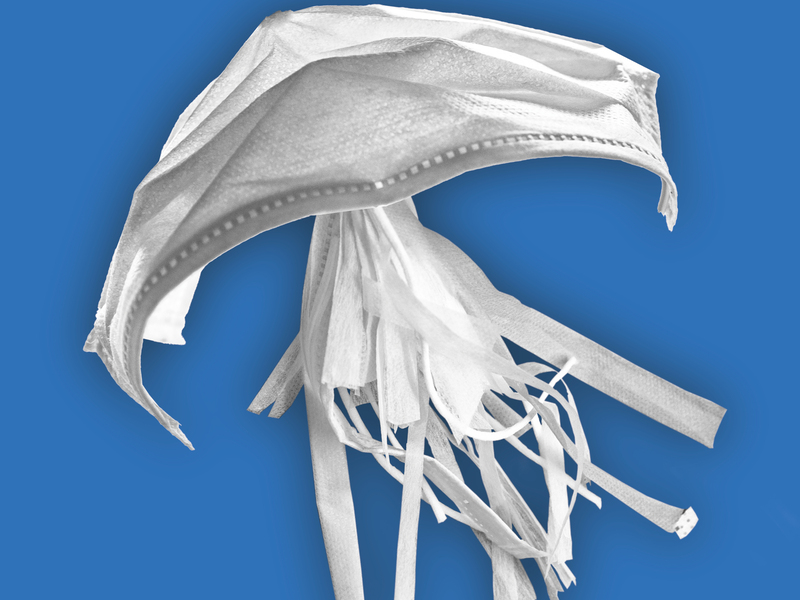
元智大學 資訊傳播學系
Mask jellyfish
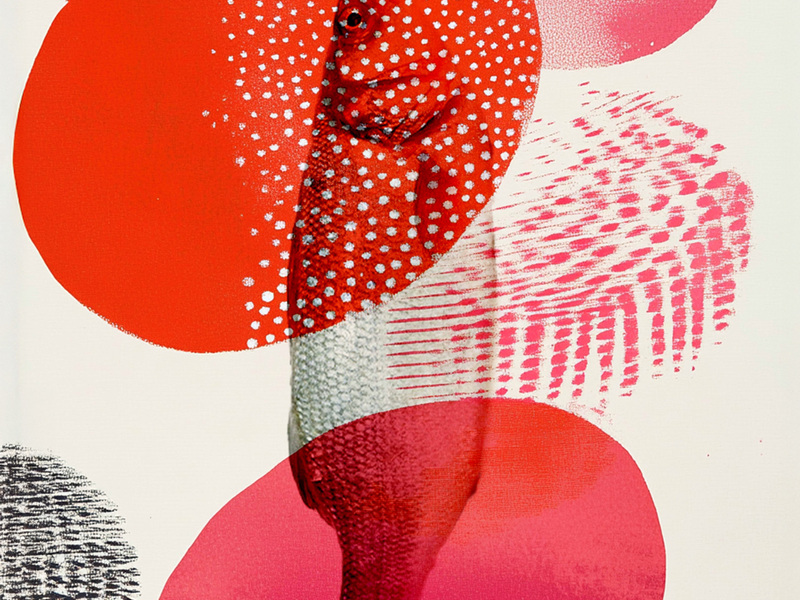
元智大學 資訊傳播學系
Lost

元智大學 資訊傳播學系
織一場雲夢
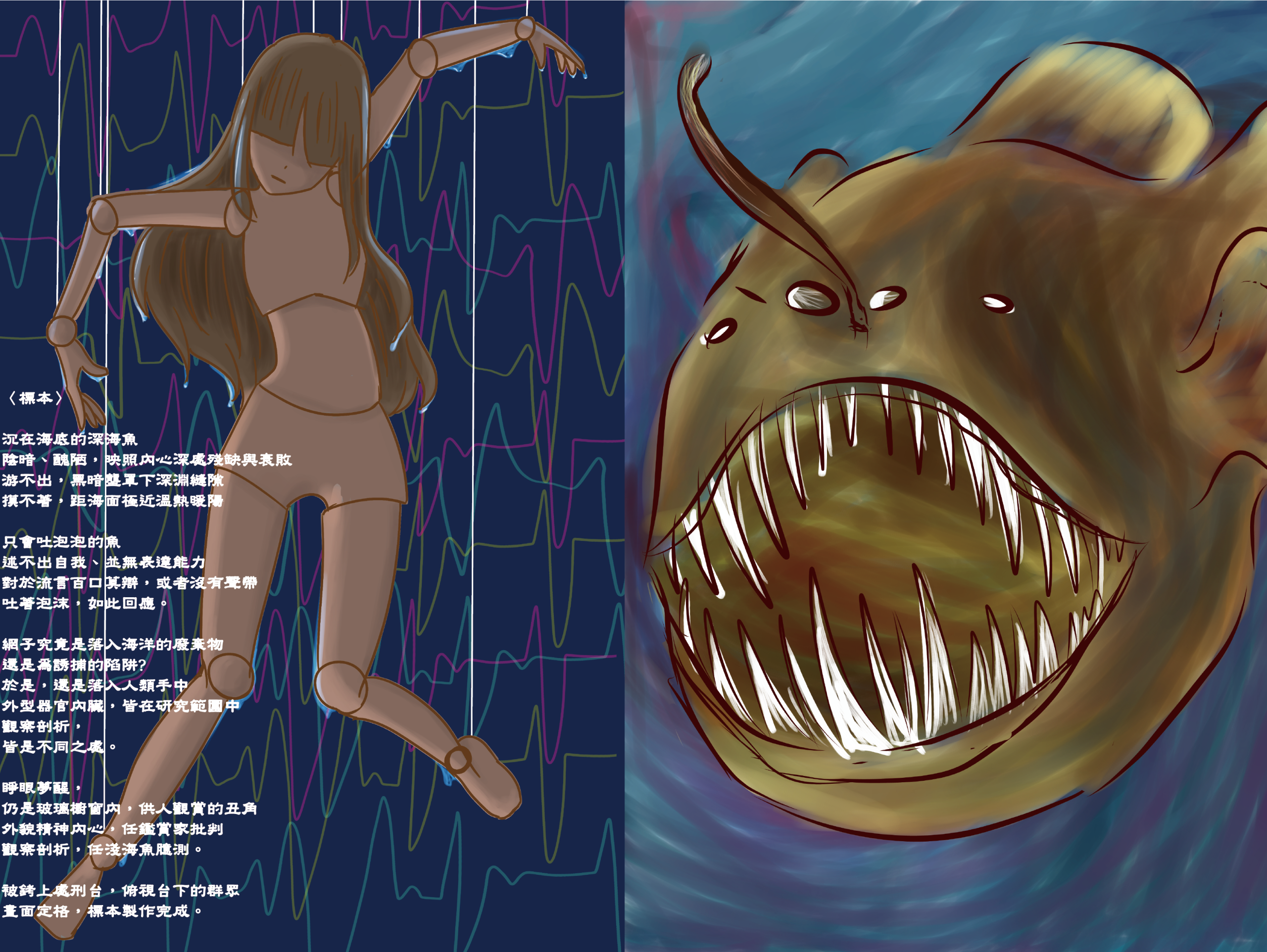
觀音高級中等學校 多媒體動畫科
吶喊。無聲。
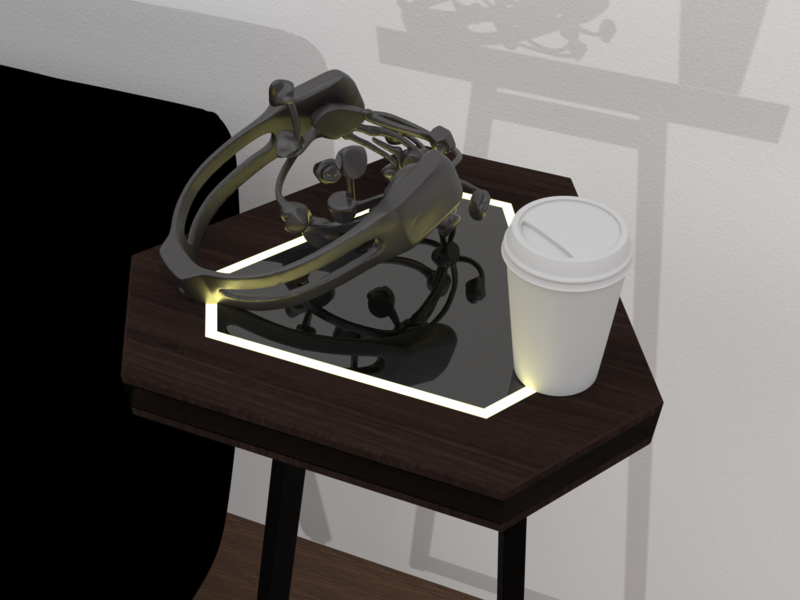
臺北商業商業大學 創意科技與產品設計系
REWAVE

臺北商業商業大學 創意科技與產品設計系
奇花明草–光葉概念互動燈具

新興高中普通單三甲
情緒燈
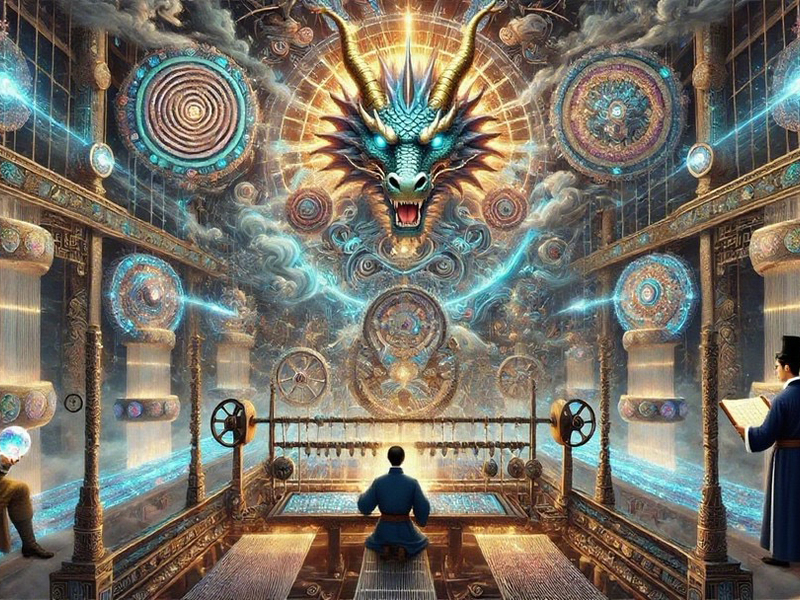
龍華科技大學 文化創意與數位媒體設計系
共感之織:在巨龍之眼下

龍華科技大學 文化創意與數位媒體設計系
語湧:水影中的共感圖騰
文化 ×協作式工藝|從工作坊到AI設計共作
Culture × Collaborative Craftsmanship| From Workshop to AI Co-Design
重現達文西工坊的共作精神,邀請作品探索AI與多語、多文化參與者如何共同設計。鼓勵將地方圖騰、傳統工藝、民俗意象透過AI模型重新演繹,展現文化融合與數位共創的新樣貌。
//多語AI共創、文化圖騰轉譯、在地工藝復興
This exhibition zone reimagines the collaborative spirit of Leonardo da Vinci’s workshop—where masters and apprentices co-created—as a contemporary design lab driven by multilingual, cross-cultural, and digital AI collaboration.
Visitors will witness creators from diverse cultural backgrounds working with AI models in their native languages to reinterpret classic paintings, symbols, or crafted installations. These co-creations reflect a modern revival of craftsmanship through contemporary expression.
The exhibition also features creators from Taoyuan’s multicultural communities, inviting them to collaboratively reimagine da Vinci’s iconic works with AI—showcasing cultural hybridity and reinterpretation through time. This aligns with Taoyuan’s identity as a city of diversity and cultural fusion, and embodies the vision of democratizing design through AI.
Aligned with 2025 Design Trends: Craft Revival, AI Collaboration, and Cultural Inclusivity
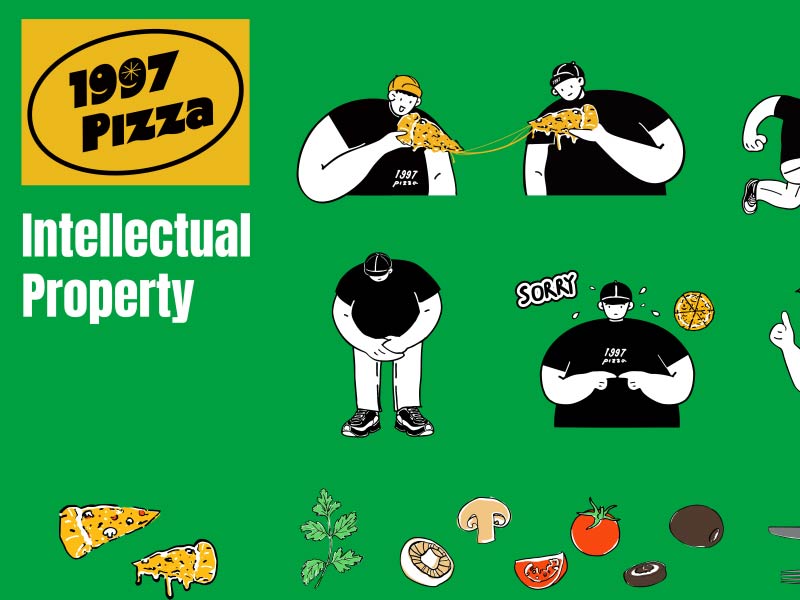
星外設計
1977 pizza企業識別及品牌包裝翻新設計
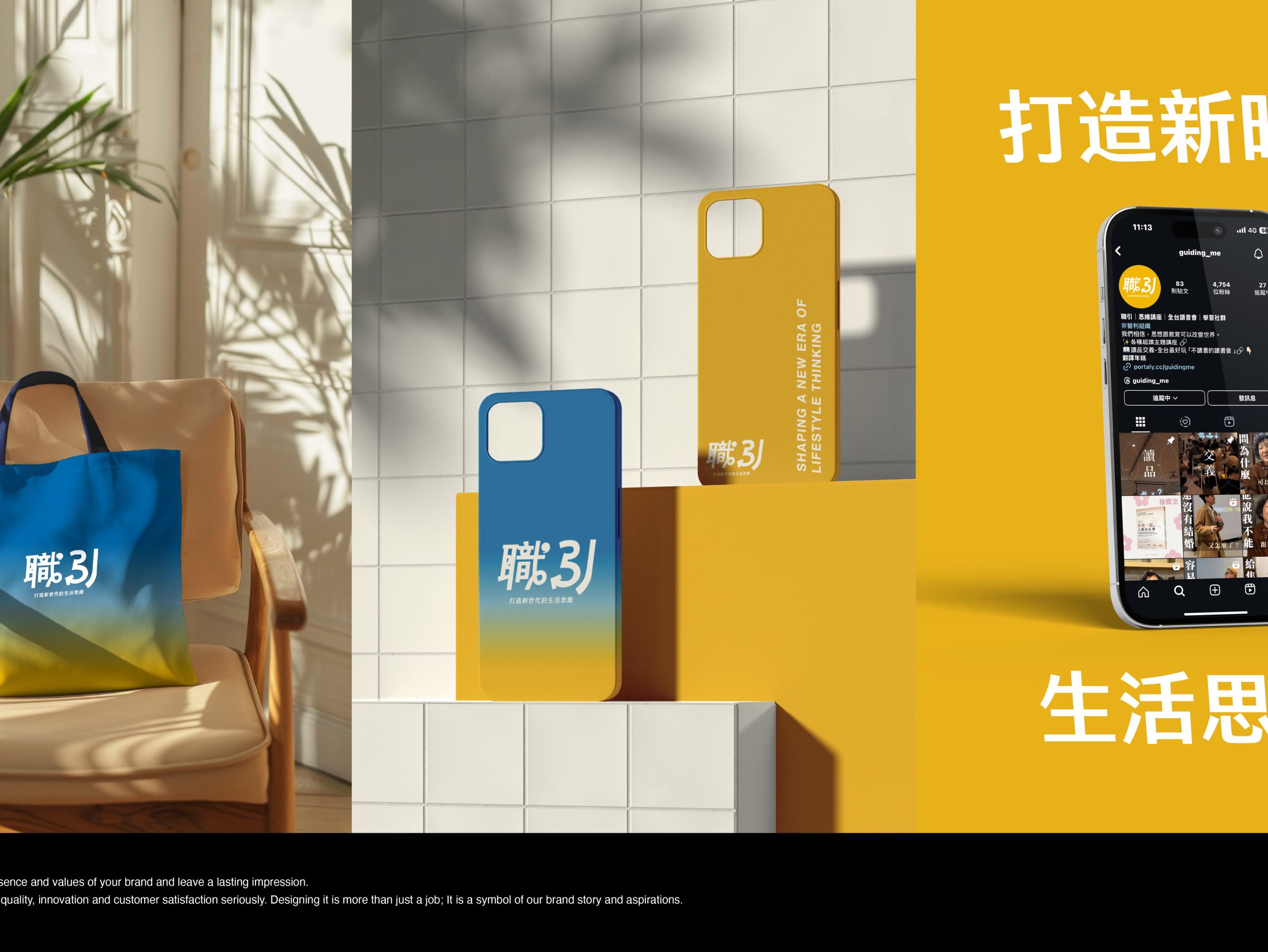
星外設計
職引 讀書會 品牌識別設計
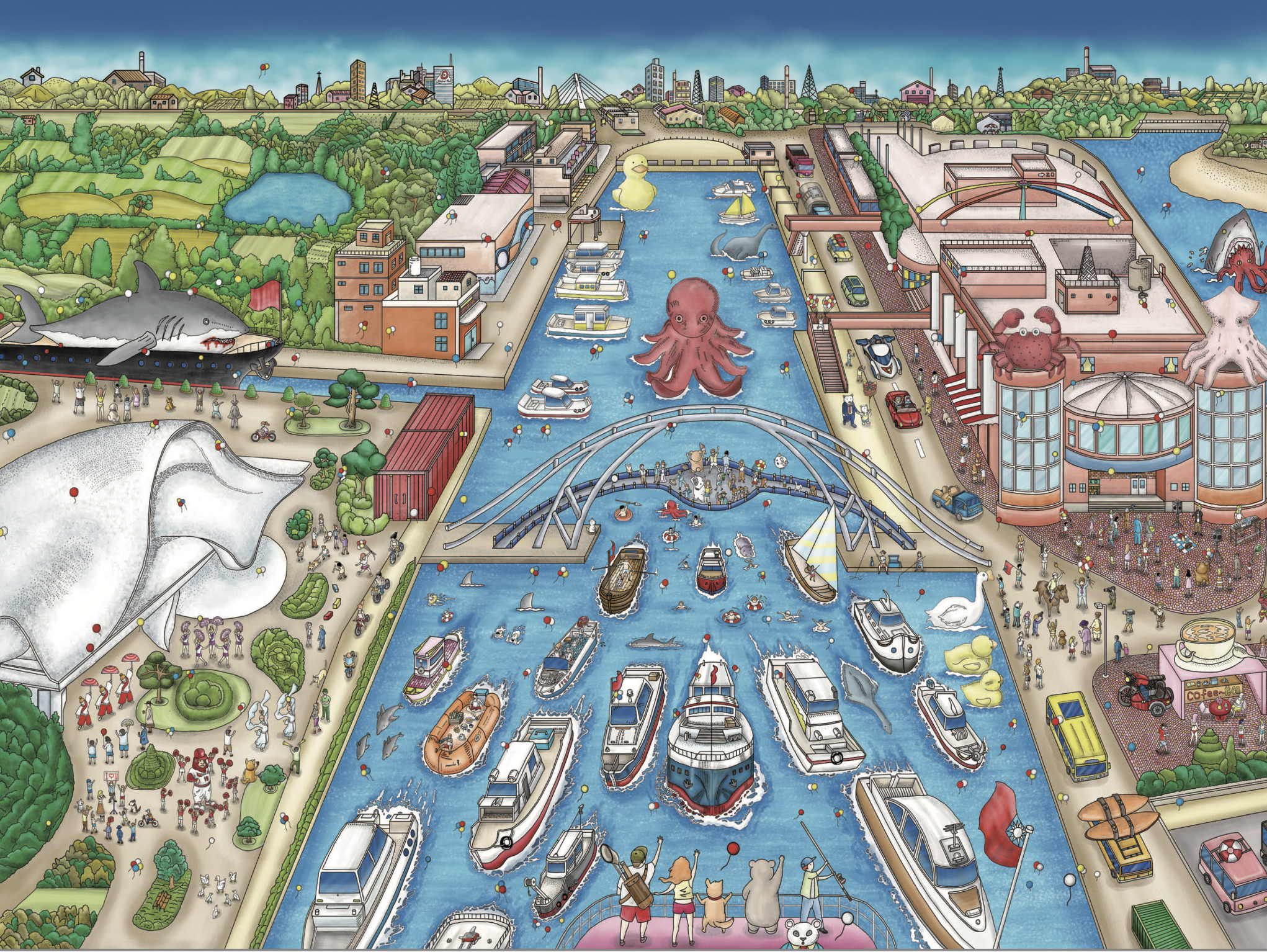
動物園蠟燭設計工作室
崁頭屋港捕魚祭/地圖插畫設計
動物園蠟燭設計工作室
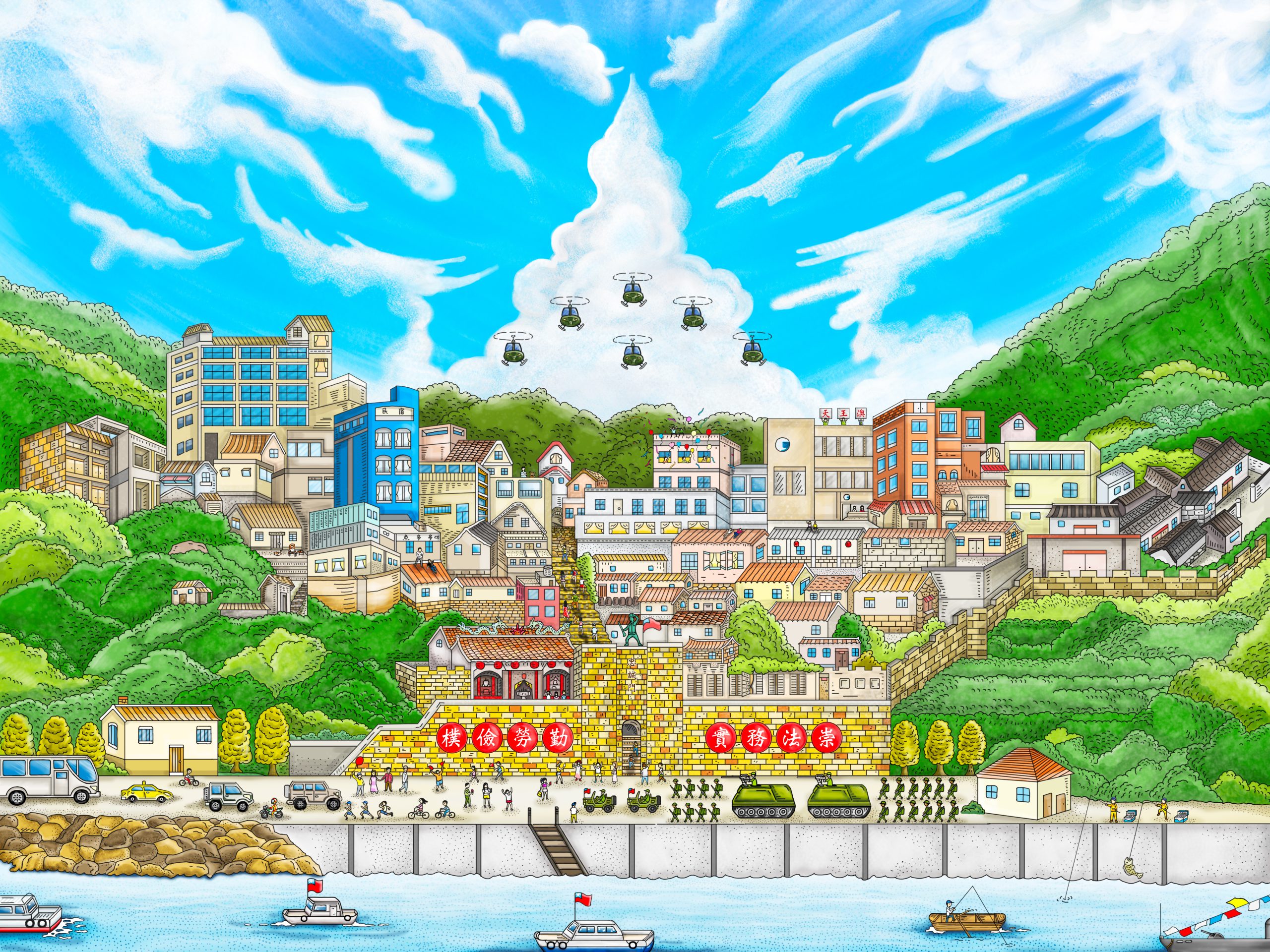
東引島忠誠門/地圖插畫設計
動物園蠟燭設計工作室
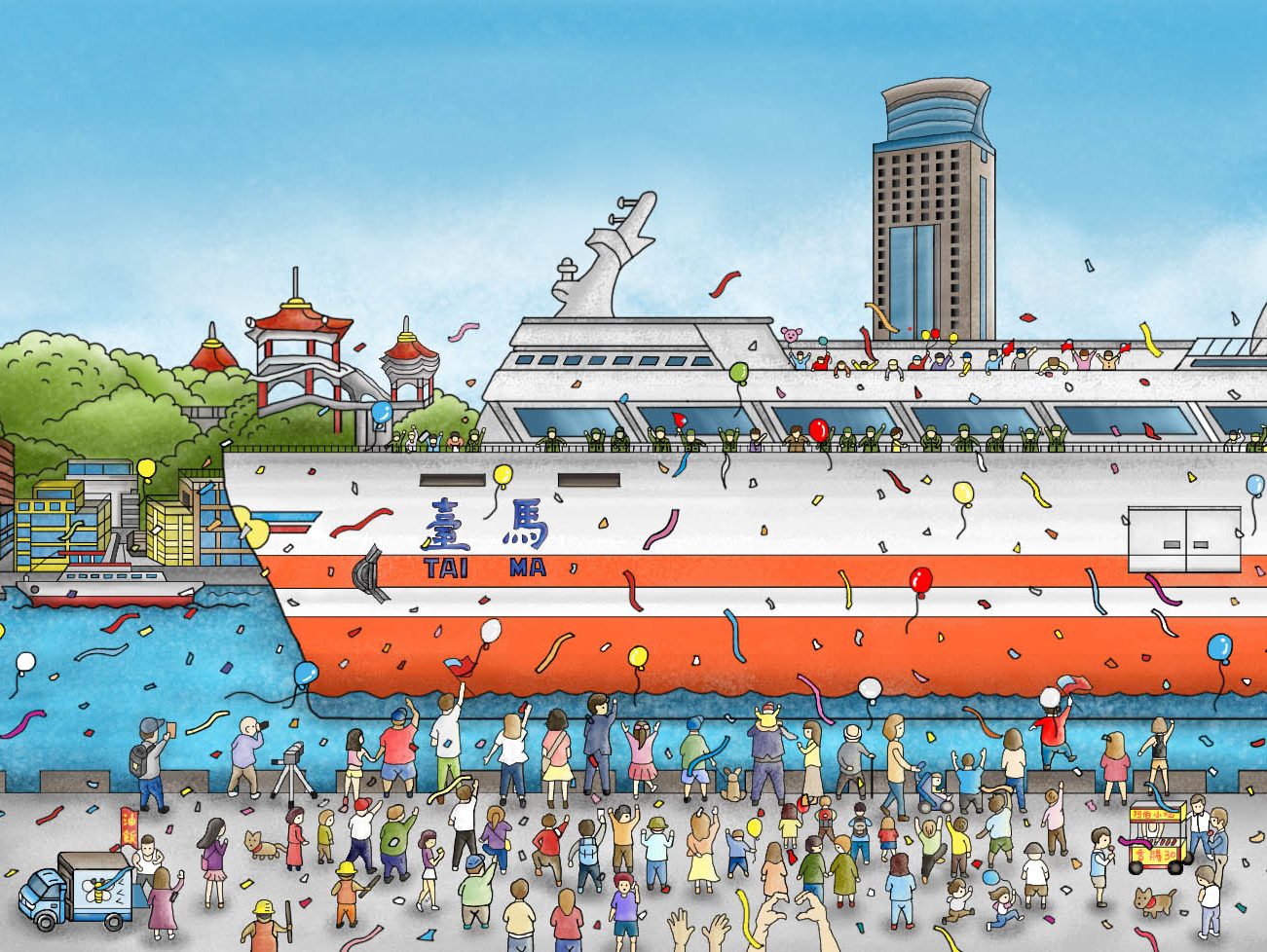
再會了基隆港/地圖插畫設計
動物園蠟燭設計工作室
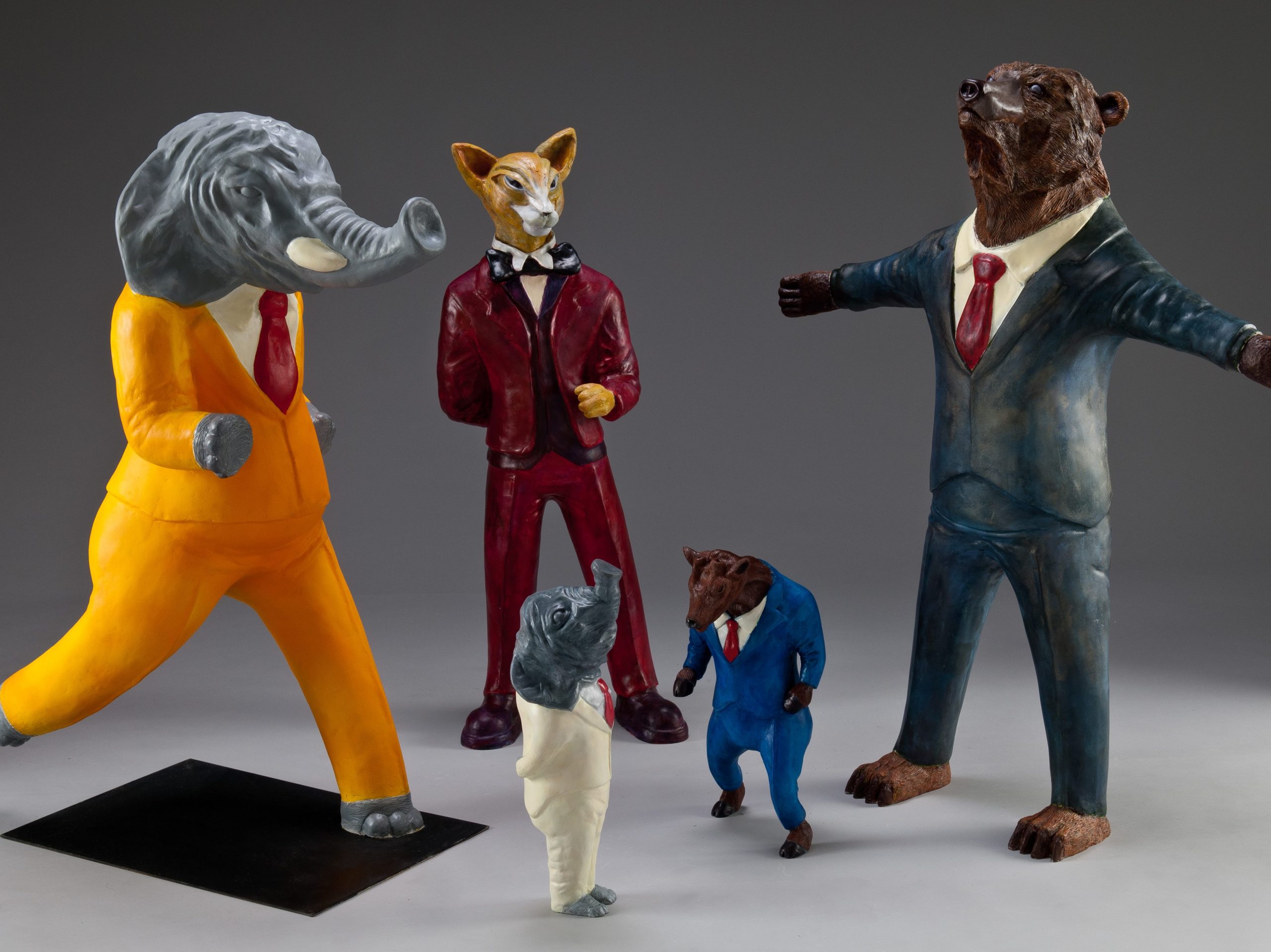
動物園馬戲團/Mr.CIRCLE

陳彥彰 設計師
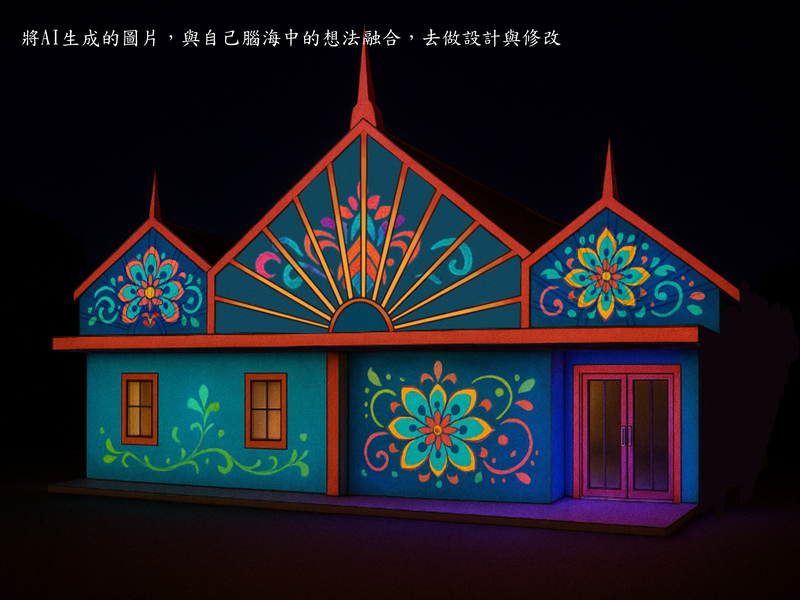
Project靠杯
元智大學 資訊傳播學系
紋聲計畫
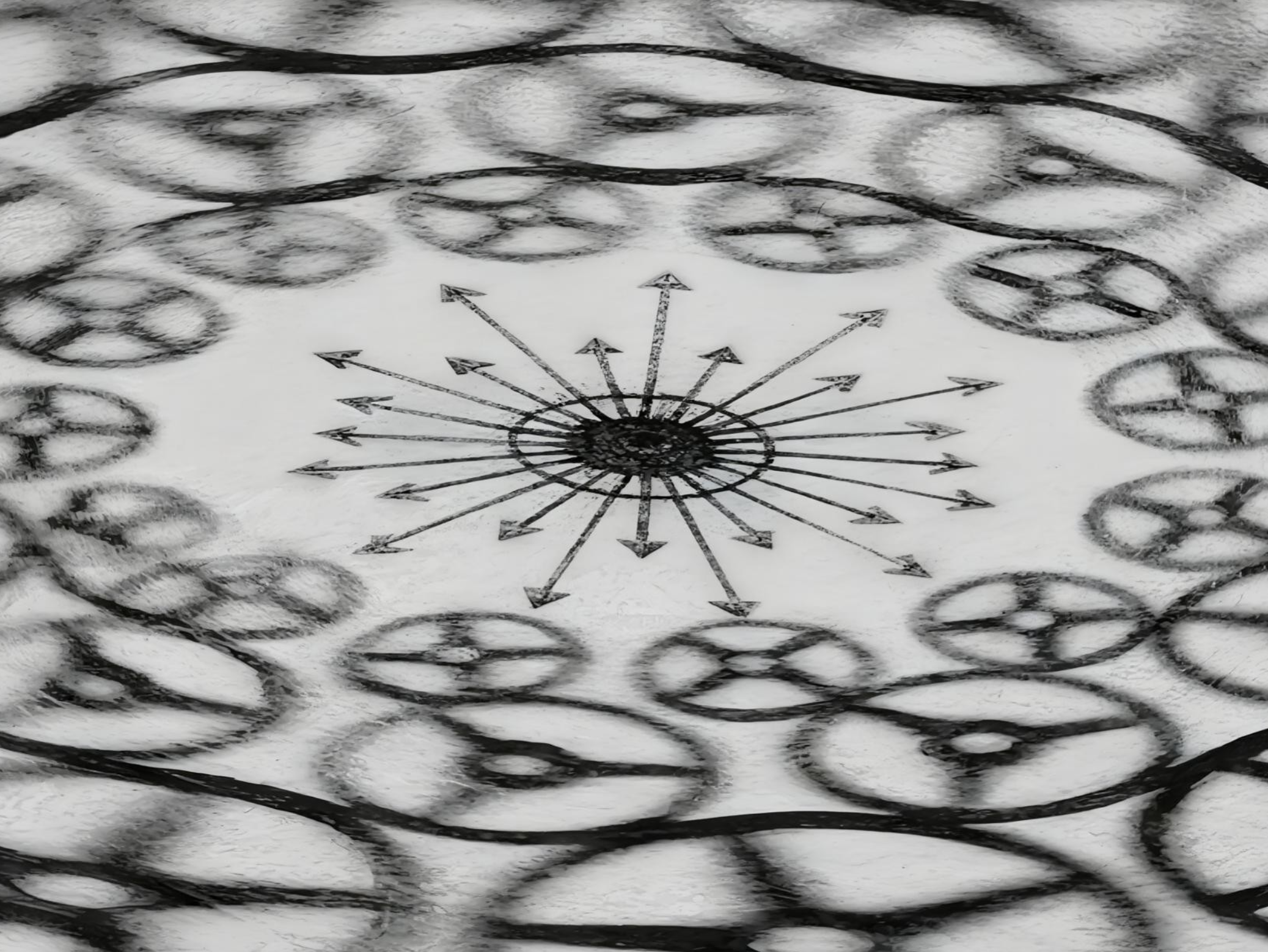
元智大學藝術與設計學系
同頻

觀音高中 多媒體動畫科
雲中的城市
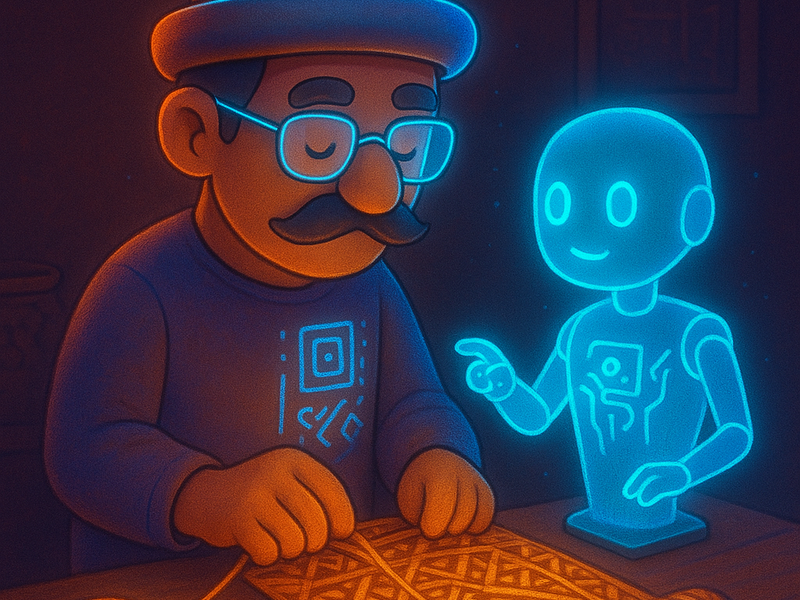
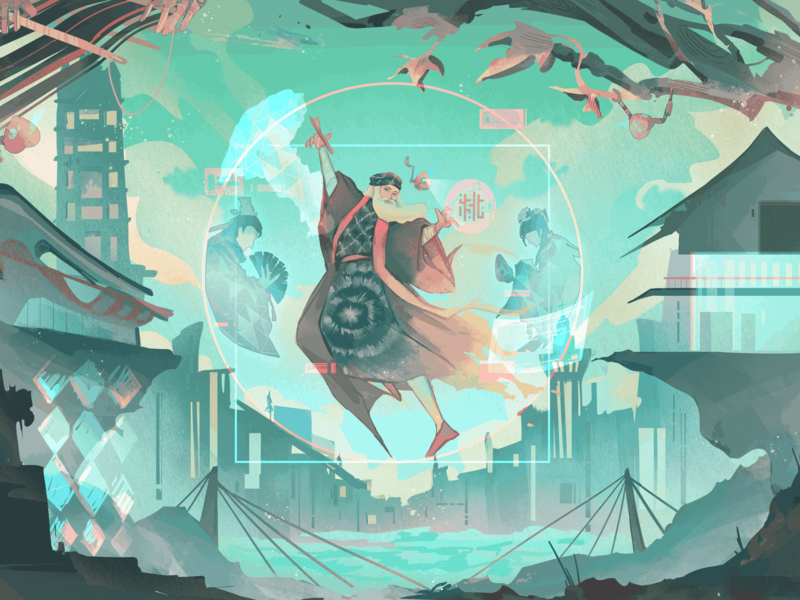
觀音高中 多媒體動畫科
智匠桃源
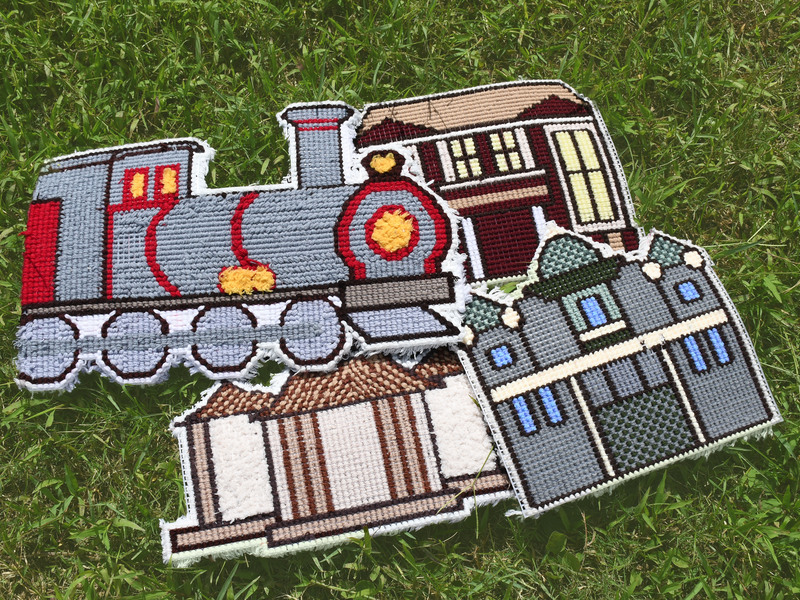
壽山高級中等學校廣告設計科
尋龜道距
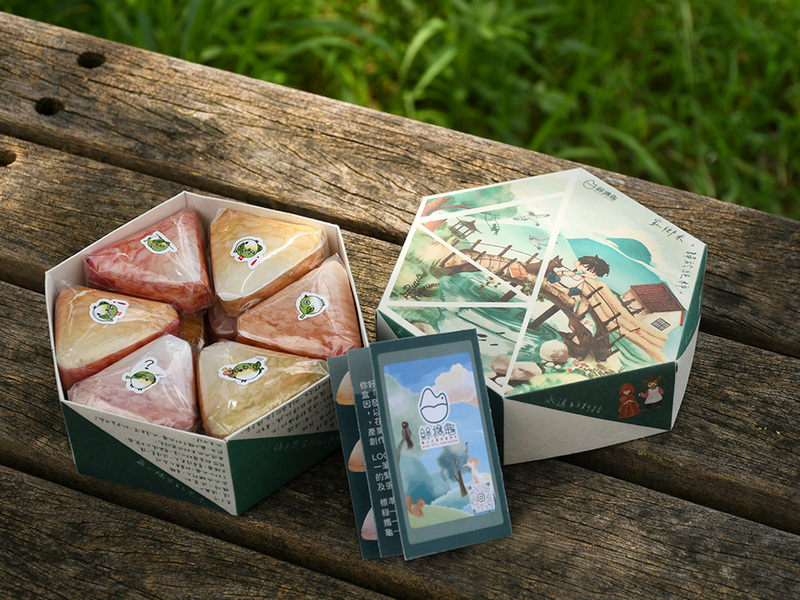
壽山高級中等學校廣告設計科
龜山文創米食伴手禮盒設計
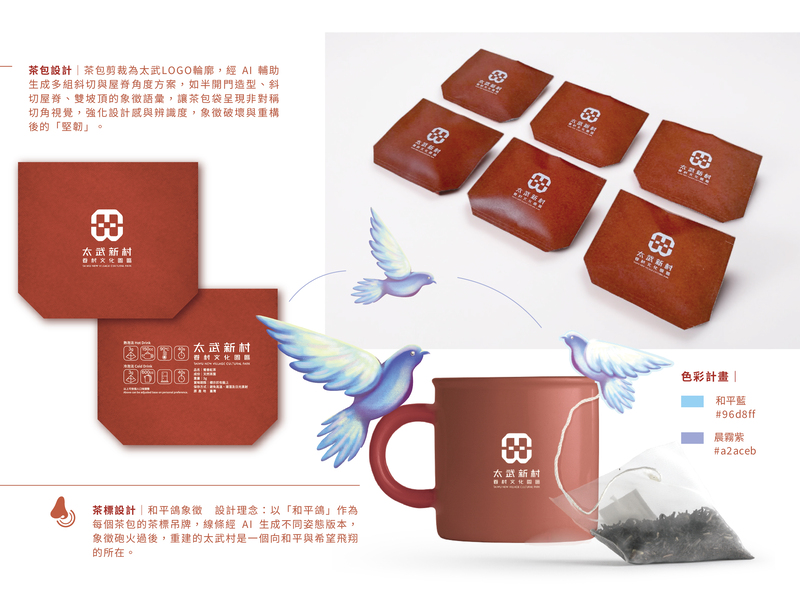
中原大學 商業設計系
香氣裡眷村記憶
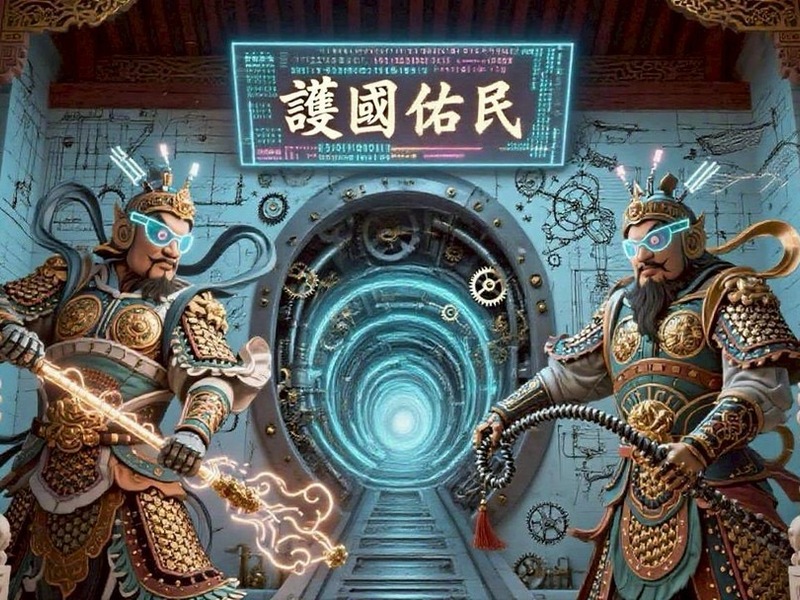
龍華科技大學文化 創意與數位媒體設計系
護佑之境
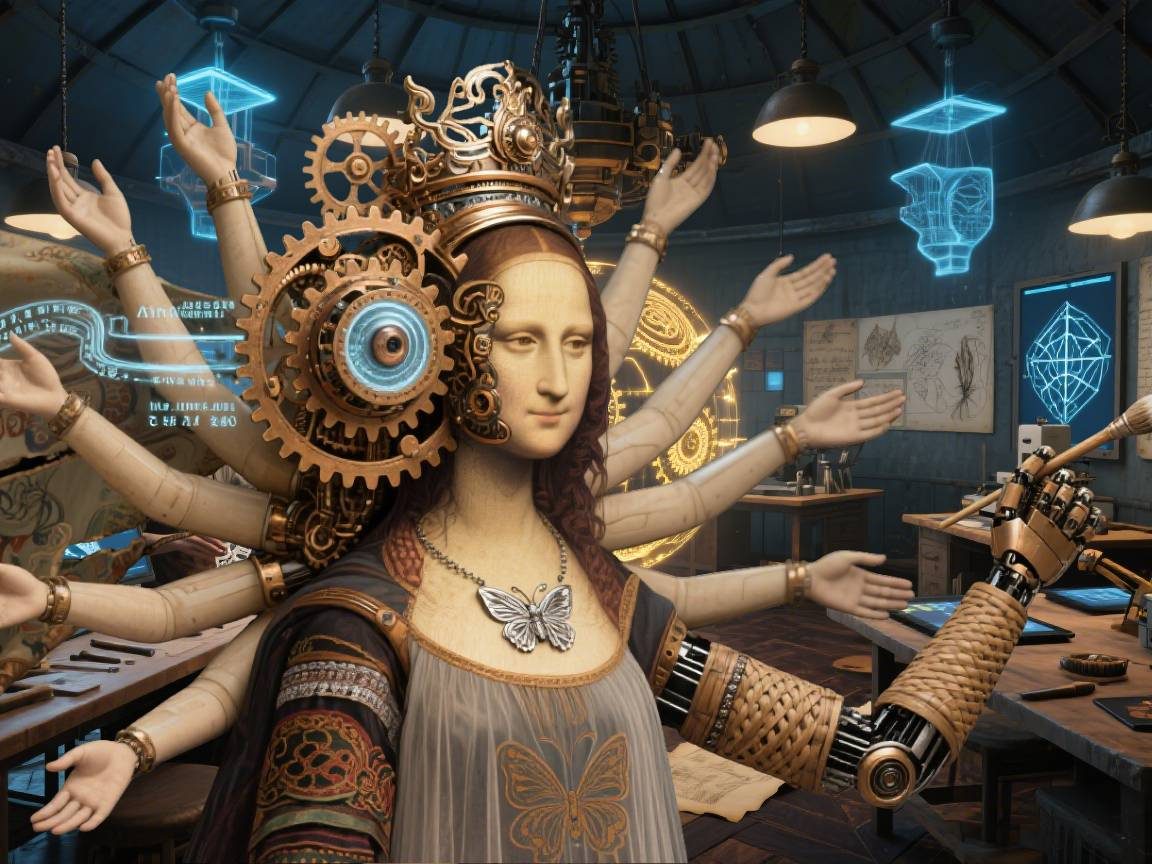
龍華科技大學 文化創意與數位媒體設計系
千首創世機

武陵高中
拍拍樂
未來 ×感知城市|設計城市的參與與生成美學
Future × Sensory Cities| Participatory and Generative Aesthetics of Urban Design
以達文西理想城市構想對照2050永續城市願景,作品可結合AI都市模擬、AR沉浸互動、語音輸入或群眾參與機制,打造讓市民能共同參與與感知的城市設計體驗,形塑AI與城市共構的未來平台。
//AI城市規劃、AR/VR模擬、永續願景、市民參與設計
Inspired by Leonardo da Vinci’s vision of the ideal city, this zone merges Taoyuan’s smart governance initiatives with the 2050 sustainability vision to create AI-generated urban environments that citizens can perceive, experience, and participate in.
Through immersive technology simulations, visitors can explore and compare the contrasts and connections between da Vinci’s ideal city and Taoyuan’s 2050 aspirations, engaging in dialogue about sustainable urban design.
By integrating AR/VR simulations, voice-input participation, and AI planning modules, the exhibition empowers youth and citizens to propose and imagine cities in real time. It serves as a new platform for participatory urban design, realizing design as a co-creative tool for shaping the collective future.
Aligned with 2025 Design Trends: Sustainable Design, Urban Co-Creation, and AR/VR Immersive Experiences

好品國際+建築空間設計整合
光 映 無 界
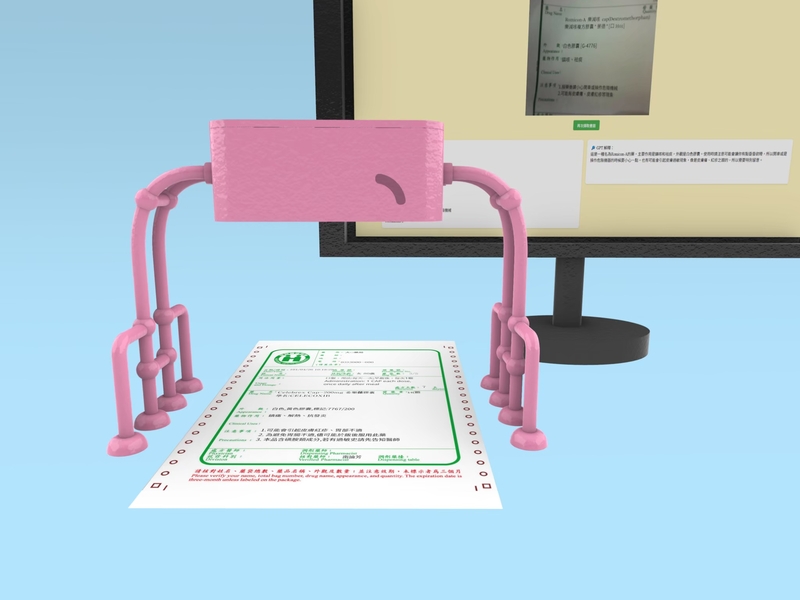
元智大學 藝術與設計學系
你藥知道

元智大學 藝術與設計學系
聖境迴路:虛擬古蹟中的覺醒之路Sacred Circuits: The Road to Awakening in Virtual Heritage

中原大學室內設計學系
互動牆面研究_於牆的對話

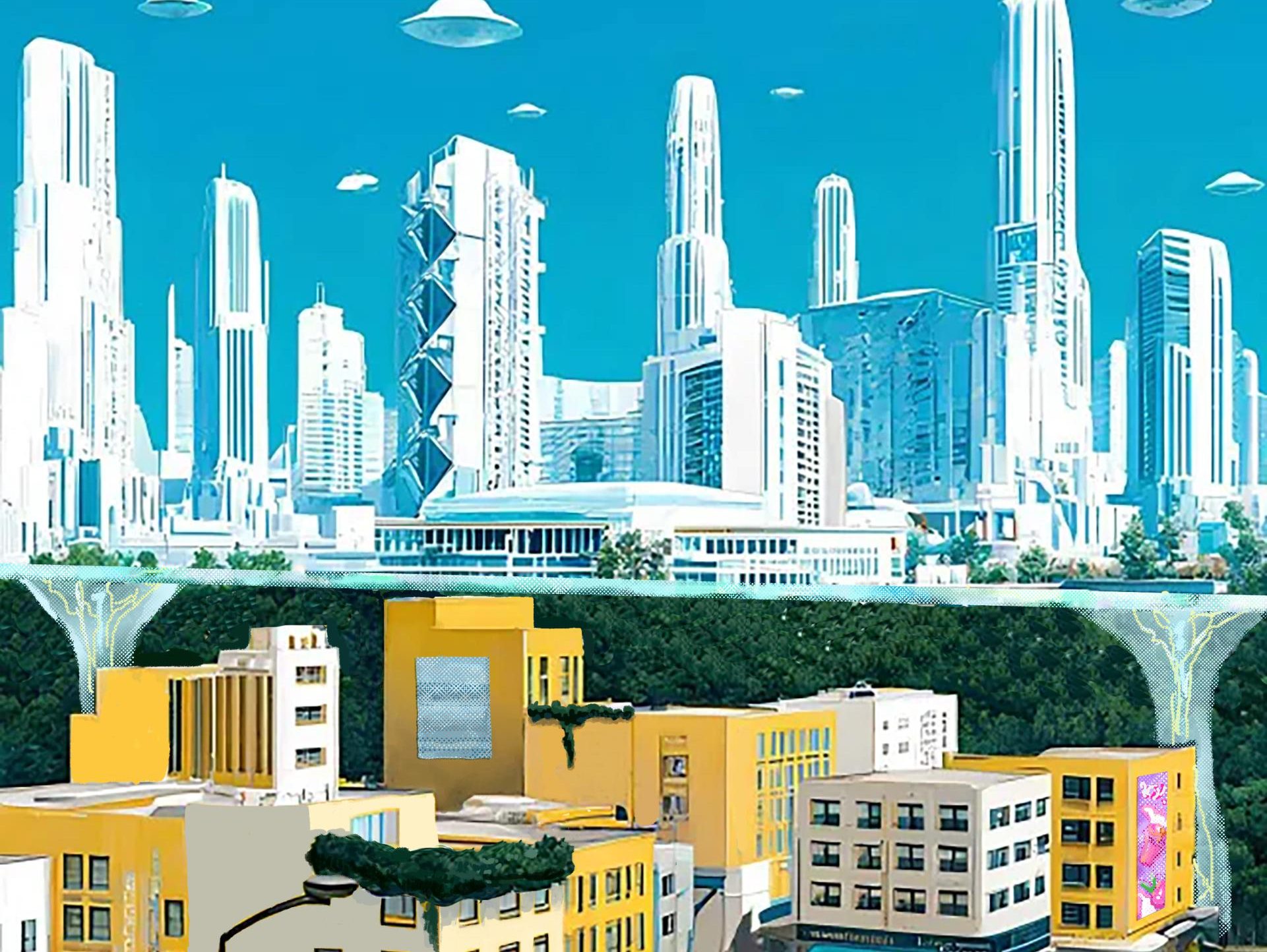
觀音高中 多媒體動畫科
達文西理想城市
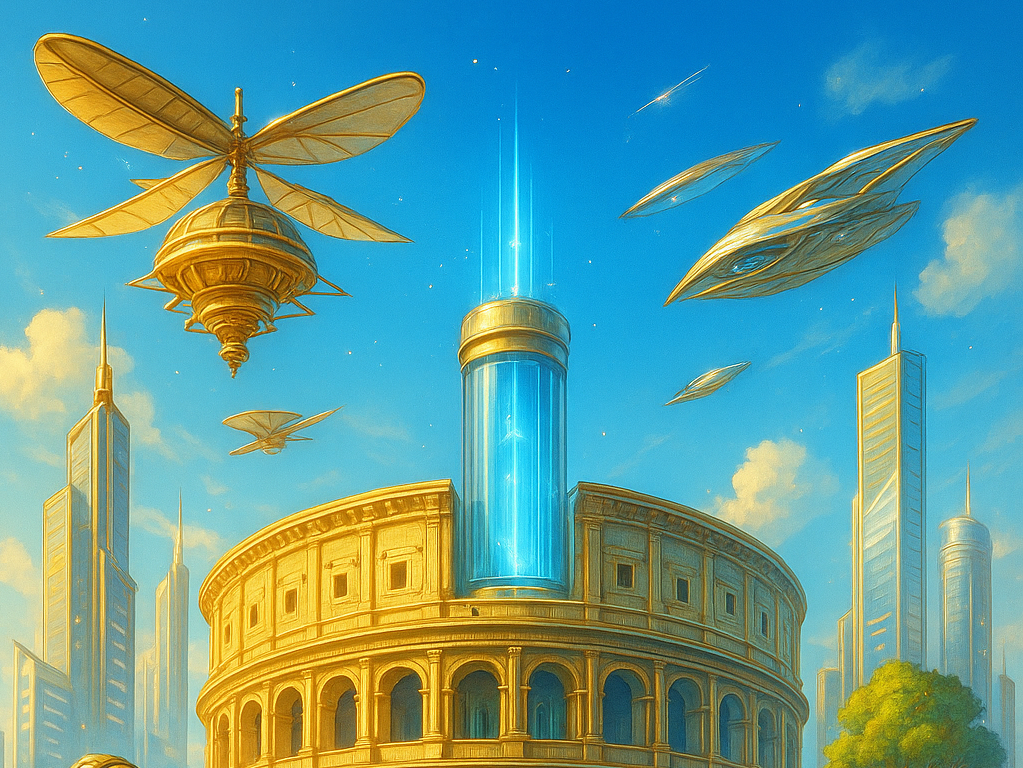
觀音高中 多媒體動畫科
超未來飛

觀音高中 多媒體動畫科
蒸氣朋克未來
